
Introduction
Most flowering shrubs give you a few weeks of color and then fade into green for the rest of the year. Encore azaleas break that pattern with a three-season bloom cycle that fills your garden with flowers from April all the way through October.
Buddy Lee bred these reblooming azaleas in the 1980s from native species and a Taiwan azalea. That work gave us over 31 varieties that flower in spring, summer, and fall. Regular azaleas pop once in spring like a single firework. Encore azaleas put on an entire show that lasts for months.
I've grown 8 different Encore varieties in my own yard over the past decade. What sold me was not just the repeat blooms but how little trouble these plants cause. A USDA study found that 11 out of 19 Encore varieties resist lace bugs on their own. That means less spraying and more time to enjoy the garden.
This guide covers the best varieties for your zone, soil prep, and pest fixes I've tested. You want a compact border plant or a colorful privacy hedge? You'll find the right Encore azalea for your space below.
10 Best Encore Azalea Varieties
I've tested over a dozen encore azalea varieties in my own garden and narrowed this list to 10 top picks. Each one covers a different color, size, and use case you might need. Every entry includes pest resistance data from the USDA study so you can make a smarter choice.
You'll find dwarf encore azaleas that stay under 3 feet and intermediate encore azaleas that grow up to 5 feet tall. The best encore azaleas for your yard depend on your space and what azalea colors catch your eye.
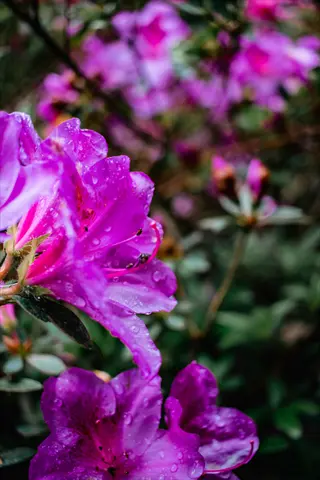
Autumn Royalty
- Bloom Color: Rich purple flowers that stand out among azalea collections and earned this variety Azalea of the Year recognition from garden industry experts.
- Size Category: Intermediate variety reaching 4 to 5 feet (1.2 to 1.5 meters) tall with a spreading habit of 3 to 4 feet (0.9 to 1.2 meters) wide.
- Pest Resistance: USDA-ARS study confirmed this variety is resistant to azalea lace bugs, reducing the need for chemical pest treatments.
- Light Needs: Thrives in 4 to 6 hours of direct sunlight daily and tolerates afternoon shade in hotter climates across USDA Zones 6a through 10a.
- Best Use: Excellent as a focal point or accent plant in mixed borders where its purple blooms create contrast against green and white companions.
- Bloom Pattern: Produces heavy spring bloom followed by sporadic summer flowers and a strong fall repeat cycle from September through November.

Autumn Amethyst
- Bloom Color: Vibrant purple to magenta blooms that add bold color to garden beds and appear reliably across all three blooming seasons each year.
- Size Category: Intermediate variety growing 3.5 to 4.5 feet (1 to 1.4 meters) tall with a dense, mounding growth habit and evergreen foliage.
- Pest Resistance: Confirmed lace bug resistant in the USDA-ARS Poplarville study, making it a strong choice for gardeners avoiding chemical pest control.
- Light Needs: Performs best with morning sun and filtered afternoon light, though it can handle full sun in cooler northern zones without leaf scorch.
- Best Use: Works well as a foundation planting or low hedge along walkways where its compact form creates a neat, colorful border year after year.
- Bloom Pattern: Reliable three-season bloomer with the heaviest flower display in spring and a generous repeat showing in early to mid fall.
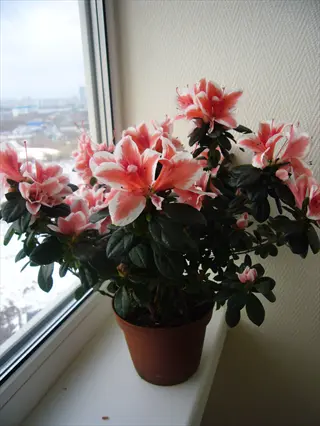
Autumn Twist
- Bloom Color: Unique bicolor blooms featuring purple and white striped petals that create a striking visual effect unlike any single-color azalea variety.
- Size Category: Intermediate variety reaching 3.5 to 4 feet (1 to 1.2 meters) tall and wide, forming a rounded, well-branched evergreen shrub.
- Pest Resistance: USDA-ARS study rated this variety as resistant to azalea lace bugs, adding practical durability to its ornamental appeal.
- Light Needs: Requires 4 to 6 hours of sunlight daily and benefits from light afternoon shade in southern zones where summer temperatures exceed 90°F (32°C).
- Best Use: Outstanding specimen plant or conversation piece in garden beds where its unusual bicolor pattern draws attention and pairs well with solid-colored varieties.
- Bloom Pattern: Produces striking bicolor flowers in spring with a reliable second wave in fall that often has deeper color saturation than the initial bloom.
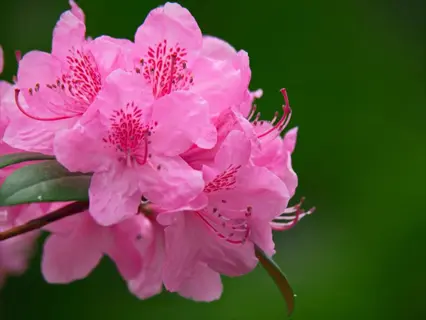
Autumn Sangria
- Bloom Color: Deep pink to dark rose blooms that add warm, saturated color to the landscape and hold their intensity through the full blooming period.
- Size Category: Intermediate variety growing 3.5 to 4.5 feet (1 to 1.4 meters) tall with an upright, spreading habit that fills garden spaces well.
- Pest Resistance: Confirmed lace bug resistant through USDA-ARS testing, offering both beauty and natural defense against one of the most common azalea pests.
- Light Needs: Prefers 4 to 6 hours of direct sun with some afternoon shade protection in zones 8 through 10 where intense heat can stress blooms.
- Best Use: Ideal for mass planting or creating color drifts along property borders where multiple plants together produce a dramatic visual impact.
- Bloom Pattern: Strong spring flush followed by moderate summer blooms and a generous fall repeat that extends garden color well into October.
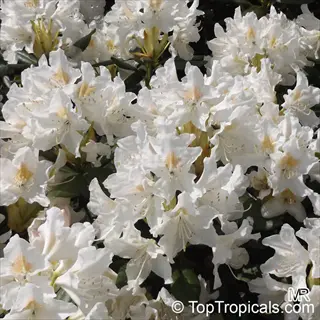
Autumn Angel
- Bloom Color: Pure white semi-double blooms that brighten shaded garden areas and provide elegant contrast when planted alongside pink or purple varieties.
- Size Category: Dwarf variety staying compact at 2.5 to 3 feet (0.8 to 0.9 meters) tall and wide, making it perfect for smaller garden spaces and borders.
- Pest Resistance: Not among the USDA-confirmed resistant varieties, so monitor for lace bugs and treat early if stippled leaf damage appears in summer.
- Light Needs: Tolerates more shade than most Encore varieties and performs well with 4 hours of filtered light, though more sun increases bloom production.
- Best Use: Excellent for foundation plantings under windows, along walkways, or in container gardens where its dwarf size stays proportional without heavy pruning.
- Bloom Pattern: Reliable white blooms in spring with moderate summer repeat and a pleasant fall display that glows in evening garden light settings.
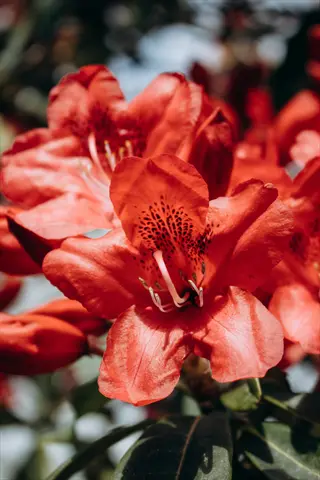
Autumn Embers
- Bloom Color: Bright orange-red single blooms that evoke the warmth of autumn leaves and create a fiery focal point in any garden bed or container.
- Size Category: Dwarf variety reaching 2.5 to 3 feet (0.8 to 0.9 meters) tall with a compact, mounding form that requires minimal shaping or pruning.
- Pest Resistance: Rated moderately resistant to lace bugs in the USDA-ARS study, providing better-than-average natural defense against this common pest.
- Light Needs: Handles 4 to 6 hours of sun well and produces the most vivid orange-red color with morning sun exposure and light afternoon shade.
- Best Use: Perfect for container gardens, rock garden borders, or front-of-bed plantings where its compact size and bold color make an immediate statement.
- Bloom Pattern: Opens with vibrant orange-red flowers in spring, offers scattered summer color, and delivers a warm fall repeat that complements changing foliage.
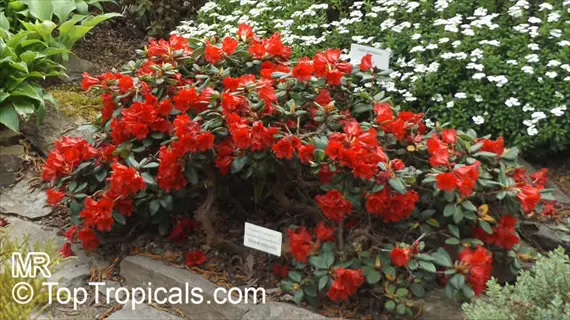
Autumn Rouge
- Bloom Color: Vivid true red semi-double flowers that create a bold and classic look prized by gardeners who want maximum color impact from a single plant.
- Size Category: Intermediate variety growing 3.5 to 4.5 feet (1 to 1.4 meters) tall and wide, forming a rounded evergreen shrub with dense branching.
- Pest Resistance: USDA-ARS confirmed this variety as lace bug resistant, making it one of the most trouble-free red-flowering Encore azaleas available.
- Light Needs: Best bloom production with 4 to 6 hours of direct morning sunlight; afternoon shade in hot climates helps prevent flower fade and leaf burn.
- Best Use: Strong choice for hedges, screen plantings, or mass color displays where the true red flowers provide consistent color across all three bloom seasons.
- Bloom Pattern: Heavy spring bloom with dependable summer and fall repeat cycles that make this one of the most consistently flowering red varieties.
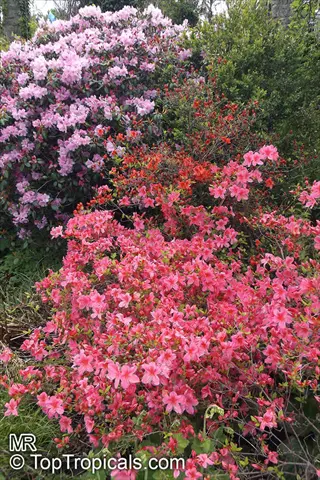
Autumn Cheer
- Bloom Color: Soft salmon-pink blooms with a gentle, warm tone that blends naturally into cottage-style and pastel-themed garden designs throughout the season.
- Size Category: Intermediate variety reaching 3 to 4 feet (0.9 to 1.2 meters) tall with a rounded form that fills mid-border positions well.
- Pest Resistance: Confirmed lace bug resistant by USDA-ARS research, reducing maintenance needs and making it ideal for organic gardening approaches.
- Light Needs: Performs well with 4 to 6 hours of sunlight and adapts to dappled shade conditions found under high-canopy deciduous trees.
- Best Use: Lovely in mixed perennial borders, foundation plantings, or grouped with other salmon and pink varieties for a coordinated warm color palette.
- Bloom Pattern: Consistent three-season bloomer producing salmon-pink flowers from spring through fall with moderate density across all bloom cycles.

Autumn Coral
- Bloom Color: Vibrant coral-pink semi-double flowers that offer a fresh, tropical feel and stand out against the dark evergreen foliage of the plant.
- Size Category: Dwarf variety staying at 2 to 3 feet (0.6 to 0.9 meters) tall, making it one of the most compact options in the entire Encore collection.
- Pest Resistance: Not among the USDA-confirmed resistant cultivars, so regular monitoring for lace bug damage during warm months is recommended for best results.
- Light Needs: Needs at least 4 hours of direct sunlight to maintain bloom production and benefits from morning sun to keep flowers vibrant and lasting.
- Best Use: Ideal for edging garden paths, filling containers on patios, or planting in small spaces where a compact, colorful shrub is needed without heavy maintenance.
- Bloom Pattern: Opens with abundant coral-pink blooms in spring, rests briefly in early summer, then produces a reliable second wave in early to mid fall.
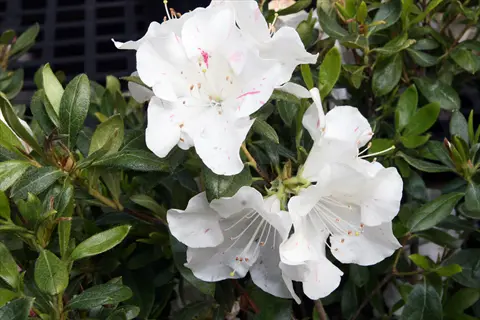
Autumn Starlite
- Bloom Color: White flowers with lavender-pink edges that create a delicate, star-like appearance and add subtle elegance to garden borders and foundation beds.
- Size Category: Intermediate variety growing 3 to 4 feet (0.9 to 1.2 meters) tall with an upright, vase-shaped form that adds vertical interest to plantings.
- Pest Resistance: Rated moderately resistant to lace bugs by the USDA-ARS study, offering reasonable natural protection with less chemical intervention needed.
- Light Needs: Thrives in 4 to 6 hours of sunlight and handles part shade well, making it versatile for planting under open tree canopies or near structures.
- Best Use: Pairs well with solid purple or red Encore varieties where the bicolor effect provides visual relief and creates a more layered garden design.
- Bloom Pattern: Produces elegant bicolor blooms in spring with lighter but consistent repeat flowering through summer and into the fall gardening season.
Planting and Soil Essentials
Getting your soil right is the biggest factor when planting encore azaleas. These acidic soil azaleas need a soil pH for azaleas between 4.5 and 6.0 to absorb iron and key nutrients. Skip the pH test and you risk yellow leaves, weak growth, and fewer blooms.
I always tell new gardeners to test their soil before they even buy the plant. In my experience, skipping this step leads to months of trouble down the road. You can grab a simple pH test kit from any garden center for a few dollars. If your soil runs above 6.0, work in sulfur or peat moss to bring it down before planting day.
Planting encore azaleas too deep is like wearing a turtleneck in summer. The crown needs to breathe at or slightly above soil level to avoid root rot. Dig your hole twice as wide as the root ball but no deeper. Set the plant so the top of the root ball sits about an inch above the surrounding ground and backfill with a mix of native soil and compost.
Well-drained soil matters just as much as pH. I lost 2 plants to root rot before I switched to raised beds for azaleas. Build yours 8 to 12 inches above ground level if your yard has clay or stays soggy after rain. Fill with pine bark, compost, and native soil for a loose, acidic mix.
Finish every planting with 2 to 3 inches of pine straw or composted pine bark mulch over the root zone. Azalea roots spread 3 times wider than the branches above, so mulch well past the drip line. Fall and early spring give you the best planting window. Mild temps let roots settle in before summer heat arrives.
Watering, Feeding, and Pruning
I tested dozens of azalea care schedule tricks over the years. Watering encore azaleas on time matters most. Fertilizing encore azaleas keeps growth strong. Pruning encore azaleas shapes blooms. Those are the 3 key tasks to track.
Watering is the most common area where gardeners go wrong. MSU Extension recommends 1 inch of water every 7 to 10 days during the growing season. During dry spells, soak the soil to 6 to 8 inches deep rather than giving plants a quick surface sprinkle. Deep watering pushes roots down where moisture stays longer.
Feed your plants with a slow-release fertilizer that has an acid forming 2 to 1 to 1 ratio, such as a 10-5-4 formula. Clemson Extension recommends 1 pound of actual nitrogen per 1,000 square feet applied in early spring. A lighter second dose in early summer supports the repeat bloom cycle. Stop all feeding before the first frost so new growth has time to harden off.
Pruning encore azaleas comes down to timing above all else. Cut right after the spring flowers fade and never later than mid June. Late pruning removes the buds your plant needs for summer and fall blooms. Take off no more than one third of the plant at a time and focus on dead wood, crossing branches, and shape.
Pest and Disease Solutions
Most gardeners skip encore azalea pests until damage shows up. I've learned the hard way that catching problems early saves weeks of stress. Good azalea disease prevention starts with smart picks and simple habits.
A USDA study tested 19 Encore varieties for azalea lace bugs. The results showed 11 were resistant and 5 more held up well. USDA expert Grant Kirker calls this type of defense a "low-cost method of control" that cuts pesticide use. Pick lace bug resistant azaleas like Autumn Royalty or Autumn Amethyst and you reduce pest problems from the start.
Phytophthora root rot and azalea root rot from soggy soil are the other major threats to watch for. Good drainage and proper planting depth prevent most fungal root diseases. The list below covers the 5 most common issues I see in home gardens along with the symptoms, prevention tips, and treatments that work.
Azalea Lace Bugs
- Symptoms: Tiny white stipple marks on upper leaf surfaces with dark excrement spots on the undersides indicate lace bug feeding damage on your Encore azaleas.
- Prevention: Choose USDA-confirmed resistant varieties like Autumn Amethyst, Autumn Twist, Autumn Royalty, Autumn Sangria, Autumn Cheer, and Autumn Rouge.
- Treatment: Spray insecticidal soap or neem oil on leaf undersides in early morning when bugs are least active for effective organic control without harsh chemicals.
- Timing: Monitor plants from late spring through summer when lace bug populations peak, checking leaf undersides weekly during warm weather months.
Phytophthora Root Rot
- Symptoms: Leaf loss, reduced vigor, branch dieback, and wilting despite adequate watering are classic signs of this serious fungal root disease in azaleas.
- Prevention: Plant in well-drained soil or raised beds 8 to 12 inches (20 to 30 centimeters) above ground level and avoid overwatering or soggy soil conditions.
- Treatment: Improve drainage right away, remove affected branches, and apply fungicide drench to the root zone if the disease is caught in early stages.
- Timing: Root rot develops most fast in warm, wet conditions during late spring and summer when soil stays waterlogged for extended periods.
Spider Mites
- Symptoms: Fine webbing between leaves and a dusty or bronzed appearance on foliage indicate spider mite infestations that worsen during hot, dry summer weather.
- Prevention: Maintain adequate humidity around plants with regular watering and 2 to 3 inches (5 to 7.6 centimeters) of organic mulch to keep soil moisture consistent.
- Treatment: Strong water spray from a garden hose dislodges mites well; follow up with neem oil or miticide applications if populations persist beyond 2 weeks.
- Timing: Spider mites thrive in hot, dry conditions from June through September, so increase monitoring during drought periods and heat waves.
Iron Chlorosis
- Symptoms: Yellow leaves with green veins indicate iron deficiency caused by soil pH above 6.0, which locks iron in the soil and prevents root absorption.
- Prevention: Test soil pH each year and maintain the 4.5 to 6.0 range using sulfur or aluminum sulfate amendments before symptoms appear in your Encore azaleas.
- Treatment: Apply chelated iron as a foliar spray for quick relief and amend soil with elemental sulfur for a long-term pH correction that addresses the root cause.
- Timing: Chlorosis shows up in spring when rapid new growth demands more iron than alkaline soil can provide, so test and amend soil in late winter.
Leaf Spot and Petal Blight
- Symptoms: Brown or black spots on leaves and soft, water-soaked patches on flower petals indicate fungal infections that spread fast in humid weather conditions.
- Prevention: Improve air circulation by spacing plants well, avoid overhead watering that keeps foliage wet, and remove fallen leaves and spent flowers right away.
- Treatment: Apply copper-based fungicide at the first sign of spots and remove infected leaves to reduce spore spread throughout your azalea planting area.
- Timing: Fungal leaf spot and petal blight are most common during warm, humid spring weather when moisture lingers on foliage overnight for extended periods.
Landscape Design With Azaleas
Good azalea garden design puts the right plant in the right spot. I've seen gardeners plant a 5 foot variety under a window. Others stick a tiny dwarf where they need a screen. These encore azalea landscape ideas match each setting with the best picks.
NC State Extension lists over 8 landscape uses for Encore azaleas. You can try azalea foundation planting or an azalea hedge. Container azaleas work great on patios too. Match dwarf types to small spaces and bigger ones to larger jobs. Azalea companion plants like hostas and ferns fill gaps between blooms.
Foundation Planting Design
- Variety Choice: Use dwarf varieties like Autumn Angel or Autumn Coral along the front of your home to keep plants below window height without constant pruning or shaping.
- Spacing Guide: Plant dwarf Encore azaleas 3 feet (0.9 meters) apart measured center to center to create a continuous, filled-in border within 2 to 3 growing seasons.
- Companion Plants: Pair with hostas, ferns, and hellebores in the shaded areas near your foundation for contrasting leaf textures that look appealing even between bloom cycles.
Privacy Hedge Screen
- Variety Choice: Select intermediate varieties like Autumn Rouge or Autumn Royalty that reach 4 to 5 feet (1.2 to 1.5 meters) tall for an evergreen azalea hedge with seasonal color.
- Spacing Guide: Plant intermediate Encore azaleas 3 to 4 feet (0.9 to 1.2 meters) apart for a dense privacy screen that fills in within 2 to 3 years of planting.
- Design Tip: Stagger plants in a double row with 2 feet (0.6 meters) between rows for a thicker screen that blocks views while appearing natural.
Container Patio Garden
- Variety Choice: Dwarf Encore varieties like Autumn Embers and Autumn Coral thrive in containers with a minimum pot size of 14 inches (35 centimeters) in diameter.
- Soil Mix: Use an acidic potting mix blended with pine bark fines and perlite to maintain the 4.5 to 6.0 pH range and ensure proper drainage in container conditions.
- Care Note: Container azaleas need more frequent watering than ground plants because pots dry out faster, so check soil moisture daily during summer heat.
Mixed Border Color Scheme
- Variety Choice: Combine 3 to 4 Encore varieties with different bloom colors such as Autumn Twist, Autumn Sangria, and Autumn Angel for variety.
- Layout Tip: Place taller intermediate varieties in the back and dwarf types in front to create depth and ensure all plants receive adequate sunlight for strong bloom production.
- Seasonal Interest: Underplant with spring bulbs like daffodils and summer perennials like astilbe to maintain continuous garden color even during Encore bloom transition periods.
Start with one design that fits your space and build from there. I added 3 new Encore varieties each year for 4 years. That slow approach taught me what worked best in my yard before I went all in on a full garden change.
Cold Hardiness by Growing Zone
Encore azalea hardiness zones stretch from 6a all the way up to 10a according to NC State Extension. That's a huge range of climates, and what works in Georgia won't always work in New Jersey. Knowing your zone helps you pick cold hardy azaleas that will survive winter and still bloom strong the next season.
I've grown Encore varieties in both Zone 7b and Zone 8a over the years. The Zone 7b plants needed more winter prep but still gave me solid color. Zone 6 encore azaleas face the toughest test with lows below minus 10°F. Stick with winter hardy encore azaleas like Autumn Royalty and Autumn Amethyst for those cold spots.
UGA field trials in Savannah showed nice spring blooms with sporadic summer flowers and a strong fall repeat. In warmer zones, heat stress becomes the bigger concern. USDA zone 6 azaleas deal with cold while Zone 9 and 10 plants need afternoon shade and extra water to avoid leaf scorch.
The table below breaks down what to expect and how to adjust your care based on where you garden. Use it as a starting point and watch how your plants respond during their first full year in the ground.
5 Common Myths
Encore azaleas need full shade just like traditional azaleas to produce their best blooms throughout the season.
Encore azaleas actually need 4 to 6 hours of direct sunlight daily to trigger their repeat blooming cycles in summer and fall.
All Encore azalea varieties grow to the same mature height so spacing and placement do not really matter.
Dwarf varieties stay under 3.5 feet (1 meter) while intermediate types reach up to 5 feet (1.5 meters), making variety selection important for design.
You should prune Encore azaleas in late fall or winter to keep them compact and encourage more flowers next year.
Pruning should happen immediately after the spring bloom because later pruning removes buds needed for the summer and fall flower cycles.
Encore azaleas are completely immune to all common azalea pests because they are a modern hybrid bred for resistance.
While a USDA study found 11 varieties resistant to lace bugs, Encore azaleas can still suffer from aphids, mites, scale, and root rot.
Encore azaleas thrive in any garden soil as long as you water them enough during the growing season months.
Soil pH must fall between 4.5 and 6.0 because alkaline conditions cause iron chlorosis, poor growth, and increased disease susceptibility.
Conclusion
Encore azaleas give you something most flowering shrubs can't match. You get 3 full seasons of blooms from spring through fall. Over 31 varieties fit any garden size, and USDA research backs the pest resistance. These reblooming azaleas turn a single spring show into months of color with little effort.
The most important thing I've learned about encore azalea care is that soil pH drives everything. Keep that number between 4.5 and 6.0 and your plants reward you with strong growth and heavy blooms. Test before you plant. Test once a year after that. Amend as needed with sulfur or peat moss to stay in range.
Start with 2 to 3 varieties from the list above that match your zone and space. Pick at least one lace bug resistant variety to keep maintenance low. Once you get the hang of acidic soil, add more colors and sizes. These versatile flowering shrubs reward you more each year.
Test your soil pH before you head to the nursery. Choose varieties that fit your USDA zone and garden size from the dwarf and intermediate options above. Your garden deserves more than one week of spring color. Encore azaleas give you just that every single year.
External Sources
Frequently Asked Questions
How big do Encore Azaleas get?
Encore azaleas range from 2 to 5 feet (0.6 to 1.5 meters) tall depending on whether you choose a dwarf or intermediate variety.
What is the difference between Encore Azaleas and regular azaleas?
Encore azaleas bloom three times per year in spring, summer, and fall while regular azaleas bloom only once in spring.
Do Encore Azaleas need sun or shade?
Encore azaleas perform best with 4 to 6 hours of direct sunlight daily, ideally morning sun with afternoon shade.
What is the best month to plant Encore Azaleas?
Fall and early spring are the best times to plant Encore azaleas when temperatures are mild and roots can establish.
Do Encore Azaleas bloom all year?
Encore azaleas bloom in three distinct waves during spring, summer, and fall but rest during winter months.
Do azaleas grow better in pots or ground?
Azaleas grow well in both settings, but ground planting provides more consistent moisture and root space for larger growth.
What are common Encore Azalea problems?
Common problems include lace bugs, root rot from overwatering, iron chlorosis from high pH soil, and leaf spot fungus.
What is the prettiest azalea?
Autumn Royalty earned Azalea of the Year honors for its striking purple blooms, though beauty depends on personal preference.
Do Encore Azaleas lose their leaves in winter?
Encore azaleas are evergreen and keep most of their foliage through winter, though some leaf drop is normal in colder zones.
Do coffee grounds help azaleas grow?
Used coffee grounds can slightly lower soil pH and add organic matter, but they should not replace proper acid-forming fertilizer.