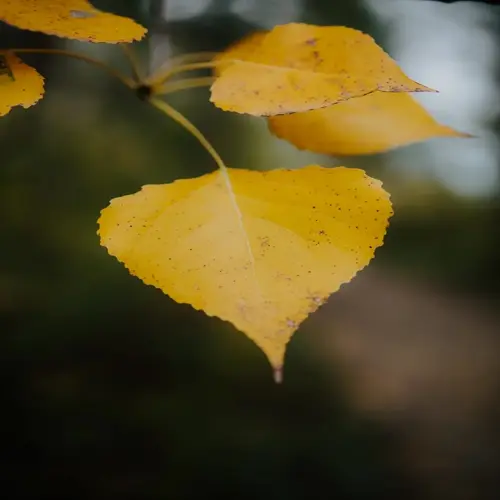

Rhododendron leaves turning yellow with green veins points to iron chlorosis from soil pH that sits too high. Your plant cannot take up iron when the dirt around its roots is too sweet. This problem shows up even when the soil has plenty of iron in it.
I diagnosed this exact issue on my own shrub last year. The leaves had that classic look with bright yellow between the veins while the veins stayed dark green. A quick soil test showed pH at 7.2, way too high for any acid lover. That test told me the iron was there but locked up tight.
The cause of rhododendron iron chlorosis is how iron acts at high pH. Above pH 6.5 iron in soil binds into forms that roots cannot grab. Your plant starves even when the ground has plenty of iron. The yellow shows that leaves cannot make enough green to stay healthy.
UC Master Gardeners note that chlorosis starts mild and gets worse over time. First you see light green between the veins. Then the yellow spreads and gets brighter. In bad cases the leaves turn white and the tips start to die. Catching the problem early gives you the best shot at fixing it before real damage sets in.
Mild Chlorosis
- What you see: Light yellow tint between veins while the veins stay green, often on the newest leaves first.
- pH range: Soil pH of 6.5 to 7.0 causes mild symptoms that you can fix with simple steps.
- Quick fix: A foliar spray of chelated iron gives fast relief while you work on the soil pH.
Severe Chlorosis
- What you see: Bright yellow to white leaves with only the main veins showing any green at all.
- pH range: Soil pH above 7.0 locks out iron so badly that leaves cannot function right.
- Quick fix: You need both foliar iron and soil sulfur to save the plant from long term harm.
Root Problems
- What you see: Yellow leaves across the whole plant, not just new growth, with no clear vein pattern.
- Possible cause: Root rot or water stress can cause yellow leaves that look like chlorosis but have other causes.
- Check first: Dig near the roots and look for brown mushy parts or bone dry soil before you add iron.
Yellowing azalea leaves show the same pattern since these plants share the same needs as their cousins. If you see this problem on one acid lover in your yard, check the others too. The soil pH affects all the plants in that bed the same way.
Start your fix with a foliar spray of chelated iron. This gives your plant fast relief while you work on the real cause. Spray the leaves in the early morning when temps stay cool. The iron goes right into the leaf and starts working within days.
In my experience you also need to add sulfur to the soil for a lasting fix. Work about 1 pound per 100 square feet into the top few inches of dirt around your shrub. This takes three to six months to drop the pH but gives you a real solution rather than a quick patch.
Test your soil pH again in fall after the sulfur has had time to work. You want to see numbers below 6.0 for happy rhododendrons. Keep testing each year since many soils tend to drift back up over time. A bit of sulfur each spring helps keep the pH where your plants need it.
My shrub made a full come back after I fixed the pH. The new leaves came in dark green and stayed that way all summer. You can save your plant if you catch the signs early and take the right steps. The fix takes some time but your shrubs will thank you for it.
Read the full article: 10 Acid Loving Plants for Your Garden