
Purdue Extension names daylily, hosta, peony, garden mum, Liatris, Coreopsis Moonbeam, Rudbeckia and Echinacea. Those are perennials that return yearly, and each one comes back from the same root system you put in the ground the first time. You never sow them again. Vermont Extension adds moss phlox and heuchera to the same group, so the pool of safe choices runs wider than most starter beds ever use.
A returning plant pushes new shoots from the exact same crown it grew from last year. The dead stems from last season sit in the middle of that clump, so they mark the spot where this year's growth will show up. Walk a bare bed in March and you can still tell what is planted where. The old stalks are a map.
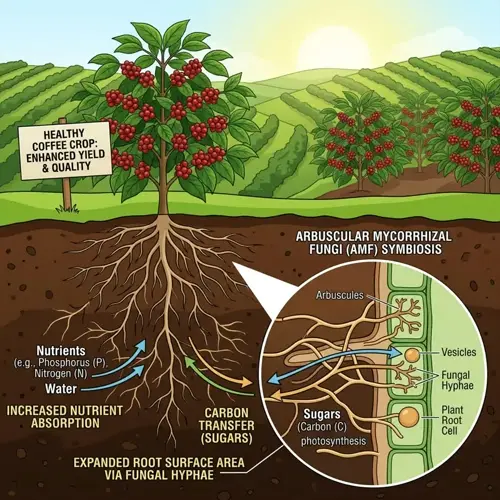
The top growth dies to the ground in fall while the crown and roots stay alive under the soil. Herbaceous perennials then re-emerge from roots, stems, bulbs or rhizomes, and which of those it uses depends on the species you planted. Almost nothing above the soil line survives winter. A bed that looks dead and empty in January is holding a full season of growth a few inches down.
The practical part is simple. You do not dig where a perennial sleeps. Marking a crown in fall keeps you from putting a spade through a root system that is doing fine, and it keeps you from planting something new right on top of it. Bare soil in early spring is the easiest place in the garden to make an expensive mistake.
Keep your perennial flower list short at the start and pull from plants that extension services already back. Six or seven kinds fill a small bed and give you enough range to see what your soil and light support.
Coreopsis Moonbeam and Liatris fill out the Purdue list. If you only buy two things this spring, make one of them hosta. It shows up on both extension lists, which is about as close to a safe bet as plant shopping gets.
Ten named plants is a short list and it is enough to work with. Every one of them is named by a land grant horticulture program rather than a catalog page, so you start from published guidance instead of marketing copy. That matters more in year three than it does on the day you buy.
A plant only comes back where it is hardy. The zone range on the tag is what separates perennials that return yearly from the ones that quit after a single winter. Hardy types stand up to freezing winter temperatures. Tender ones have to stay frost-free, and in a cold garden they behave like annuals and never show up again. Read the tag before you pay, not after.
Hardy perennials take freezing winter temperatures. Tender ones must stay frost-free, so a tender plant sold into a cold zone is a one-season buy.
Plan on several years rather than forever. Most of these grow and flower for years on end, though some run only three or four seasons before they fade out. That is normal and it is no sign you did anything wrong. Budget for a few replacements each spring and the bed stays full.
One habit pays for itself. Write down what you planted and where, with the date, because these plants vanish for four or five months and the memory goes with them. A cheap plant marker pushed in beside the crown fixes that. Do that in fall while you can still see the stems.
Read the full article: Annual vs Perennial: What Actually Comes Back