
The best way to water plants prevent yellowing is to check soil moisture before you water rather than following a set schedule. Most yellow leaves from water problems come from either too much or too little at the wrong times. Learning to read your soil keeps your plants healthy and green.
I used to water all my plants every Sunday without fail. It seemed like a good system to me at the time. But some plants sat in soggy soil for days while others dried out by Wednesday. Switching to a soil-check system fixed most of my yellowing problems within just a month of making the change.
Proper plant watering starts with the finger test you can do in seconds. Push your finger about 2 inches down into the soil and feel what's there. If the soil feels dry at that depth, your plant needs water soon. If it still feels damp, wait another day or two before you check again.
Different plants want different amounts of time between waterings. Succulents like their soil to dry out for days. Ferns want to stay damp but not soggy all the time. Your watering schedule plants need changes based on what each one prefers. There is no single rule that works for every plant in your home.
The Wisconsin Extension says outdoor plants need about 1 inch of water per week as a baseline. Indoor plants need less since they don't face wind and hot sun that dry soil out fast. Use this as a starting point and adjust based on what your plants show you through their leaves.
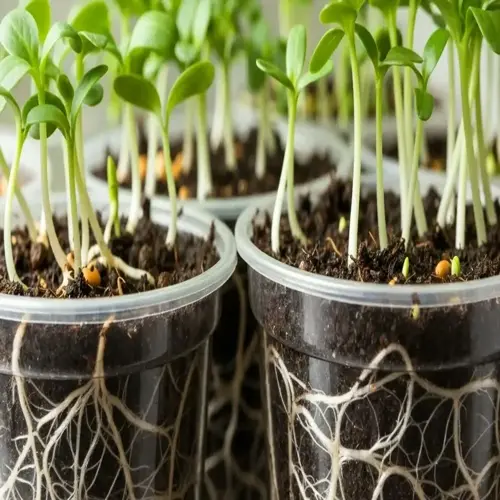
When you do water, water deeply until liquid flows out the bottom of your pot. This deep soak helps roots grow down into the soil where they stay stronger. Light sprinkles on top leave roots sitting near the surface where they dry out fast and stress your plant.
To prevent overwatering you need pots with drainage holes in the bottom. Water that sits at the bottom of a pot rots roots and kills plants faster than almost anything else. If your pot lacks holes, drill some or repot into a better container that lets excess water escape.
Empty saucers under your pots after watering if water pools there. Letting pots sit in standing water is the same as having no drainage at all. I set a timer for 30 minutes after watering. This reminds me to dump out any extra water that pooled in the tray.
Adjust how often you water based on the seasons in your area. Plants drink more in summer when they grow fast and days run long and hot. They need less in winter when growth slows down and light fades early. What works in July won't work in January.
The finger test takes just seconds and tells you more than any schedule or app ever could. Your plants will show you when the timing is right through perky leaves and steady growth. Trust your hands and eyes over any fixed calendar for keeping your plants green and happy.
Read the full article: 10 Reasons Why Leaves Turn Yellow