
Knowing what not to plant next to hostas protects your shade garden from big problems. You should avoid sun-loving plants, fast-spreading ground covers, and surface-rooted plants that steal moisture. Put the wrong neighbor next to your hostas and one side will always lose the fight for water and space.
I made this mistake with a patch of creeping Jenny that I thought would look nice filling in around my hostas. Within two seasons, that aggressive ground cover had smothered three hosta crowns by growing right over the top of them. The hostas couldn't push through the dense mat of stems and leaves. I spent an entire afternoon ripping out the creeping Jenny and replanting my damaged hostas in a clean bed. That experience taught me to research spreading habits before putting anything near my hostas.
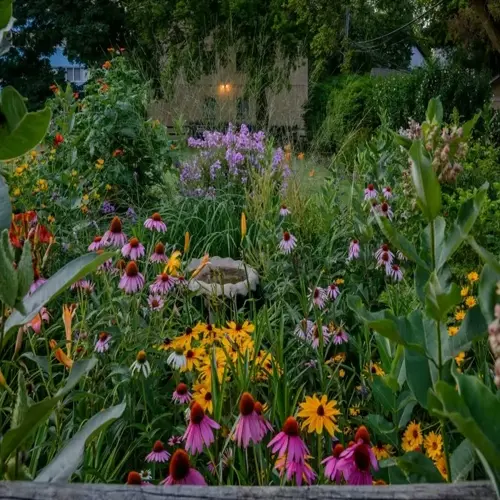
Sun-loving plants are the most common bad companion plants for hostas. Lavender, coneflower, and black-eyed Susan all need 6+ hours of full sun and dry soil. Your hostas want shade and steady moisture. You can't water enough for your hostas without drowning the lavender. And you can't give the coneflowers enough sun without burning your hostas. These clashing needs make them terrible neighbors.
Aggressive Spreading Plants
- English ivy: Sends runners that climb over and smother hosta crowns, blocking light and trapping moisture that causes crown rot in shaded areas.
- Creeping Jenny: Grows a thick mat of stems that covers hosta emerging shoots in spring and prevents new growth from breaking through.
- Invasive grasses: Ornamental grasses with running roots spread into hosta territory and are extremely hard to remove once their roots tangle together.
Sun and Drought Lovers
- Lavender: Needs full sun and dry, alkaline soil, which is the exact opposite of the moist, acidic shade conditions hostas prefer and need.
- Coneflower and black-eyed Susan: These prairie natives demand 6+ hours of direct sun and suffer in the shade conditions that hostas require.
- Sedums: Drought-tolerant succulents that rot in the moist soil hostas need, creating a watering conflict you cannot solve in one bed.
Root Competition Plants
- Surface-rooted trees: Maples and birches have dense surface roots that steal water and nutrients from hostas planted within their root zone.
- Mint family herbs: Mint spreads through underground runners that take over garden beds and choke out hosta roots within a single growing season.
- Bamboo: Even clumping types can spread into hosta beds over time, and running bamboo will destroy any planting within its reach.
Root competition from nearby trees causes problems that many gardeners don't see coming. Surface-rooted trees like maples and birches send dense networks of feeder roots through the top 6 inches of soil where hostas also feed. Your hostas will grow thin and stunted in these spots no matter how much water and fertilizer you add. If you must plant near trees, choose deep-rooted species like oaks that leave the upper soil layers more open for your hostas to use.
The key to avoiding plants to avoid near hostas comes down to matching needs. Group plants that want the same light level, moisture amount, and soil type. Keep any aggressive spreader at least 3 feet (91 cm) away from your hosta clumps and install a root barrier if you're not sure it will stay put. Check spreading habits before you buy anything new for your shade bed.
Good hosta companions share the same love of shade and moisture. Ferns, heuchera, astilbe, and brunnera all thrive in conditions that hostas enjoy and none of them will try to take over the bed. Stick to plants to avoid near hostas that I listed above and your shade garden will stay healthy and balanced for years. Your hostas will have the space, water, and nutrients they need to reach their full size without fighting their neighbors for every drop.
Read the full article: Hosta Plant Care and Growing Guide