
Skip the frame. That one decision removes lumber, screws and corner brackets from the job, along with the trip to the saw. A cheap raised garden bed is amended native soil shaped into a mound. The second cut is buying compost rather than a truckload of premixed garden soil. Neither move is corner cutting. Both are standard builds, and both show up in university extension guides next to the boxed version as an equal option.
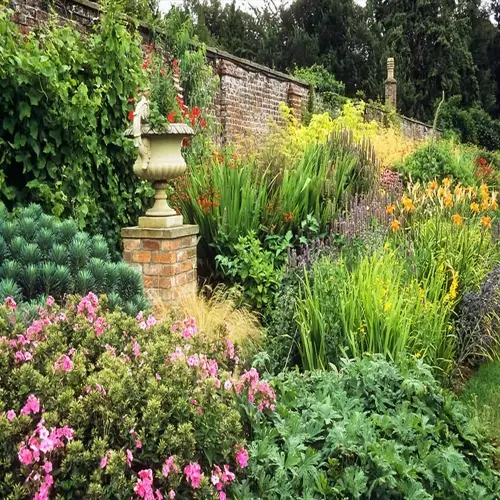
The bed that grew the best carrots last season is one I planted into a bare mound of dirt. It sits at the end of the row with sloped sides, no boards anywhere near it, and it has held that shape through three winters. An unframed raised bed leans on its own angle the way a boxed one leans on its walls.
The height comes out of the soil you already have. Organic material and nitrogen go into the native soil and get turned all the way through, and the loosened result sits higher than the packed ground around it. Shaping the bed is the last move in Oregon State's order. Raking that loosened soil up off the paths is what carries the bed to its finished height.
Pick the spot first, because the bed takes the shape of whatever ground you choose.
Work organic material and nitrogen into the native soil across the whole marked area.
Turn the amendments through the topsoil so the full rooting zone loosens, not the surface alone.
Rake the mixed soil into beds with sloped sides and firm walking paths between them.
Utah State University Extension puts unframed beds at 8 to 12 inches (20 to 30 cm) above the surrounding soil and 3 to 4 feet (90 to 120 cm) wide. Hold that width. You want to reach the middle from either path without stepping on the bed, since packing the soil back down undoes the digging. When you amend native topsoil, aim for 30% to 50% well-composted organic matter by volume, which leaves at least half the finished bed made of dirt you already own.
Free dirt is only free if it is decent dirt. Topsoil that drains after a storm and grows a healthy crop of weeds is worth amending. Ground that puddles for two days, or that sat under a gravel drive for a decade, will not turn around in one season no matter how much compost you dump on it. Get a soil test first. Your county extension office runs them, and the result tells you what you are starting with before you spend a dollar.
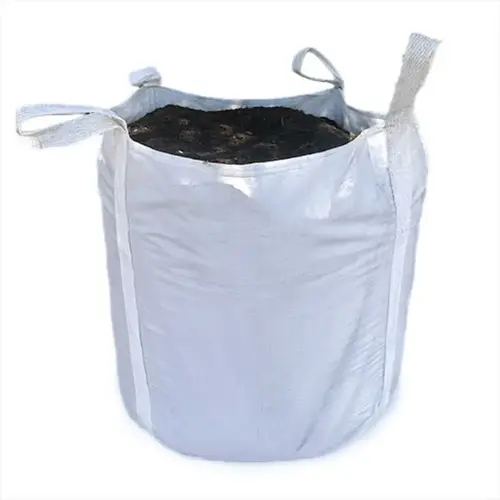
No extension source located publishes a price for any of this. Every dollar figure on this topic comes from a vendor with lumber, bagged soil or a kit to move. So I will not rank builds by price and act like those numbers are solid. What you can rank is the shopping list, and the unframed build shortens it to compost.
University of Maryland Extension says an enclosure can be skipped entirely by building the bed with sloped sides. The same guide lists up-front labor and expense first among the drawbacks of raised beds, framed or not.
An unframed bed does ask for something the boxed version does not. The edges soften over a season, so you rake the sides back up in spring before you plant. That is a few minutes with a rake. Boards give you a crisp edge and hand you a board to replace when one rots through instead, which is a fair trade if you have the money up front and would rather not touch the shape again.
Start with the soil test, then order or haul compost and nothing else. Mark the beds at 4 feet (120 cm) wide, work the amendments in deep, and rake the sides down at an angle you can walk beside. The whole build costs you a weekend of digging rather than a receipt, and it grows the same carrots a boxed bed does.
Read the full article: Raised Garden Bed Specs Backed by Research