
A low-maintenance terrace garden takes just 2-3 hours of work each week when you set it up right. The trick is picking plants that like being ignored and adding systems that water for you. Busy people can still have pretty rooftop gardens without daily chores.
I tested this myself by running two different gardens side by side. My succulent corner needs 30 minutes weekly at most. Those plants prefer dry soil between waterings. My vegetable beds take daily checks during summer for water, pests, and picking. Both gardens bring me joy. But only one fits my crazy work schedule.
When I first started, I tried to grow tomatoes, peppers, and basil while working 60-hour weeks. By mid-July, everything looked sad and half-dead. I would come home too tired to water and too stressed to enjoy the space. That burnout taught me to match my garden goals to my actual free time.
Plant choice shapes your workload more than any other factor. Easy care rooftop plants like sedums and sempervivums store water in their leaves. They bounce back from neglect that would kill fussy tropicals. Picking these tough types over demanding ones cuts your work time in half or more.
Herbs from the dry parts of Europe create a minimal maintenance garden with real use. Rosemary, lavender, thyme, and sage hate being fussed over. Water them once a week at most. They give you fragrant leaves for cooking and pretty flowers for looks. These herbs suffer more from too much water than from dry spells.
Automated Watering
- Drip systems with timers: A basic drip setup costs $40-60 to install yourself. It waters your plants at set times even when you travel or work late.
- Self-watering containers: These pots hold water in a bottom tank. Roots drink as needed. This cuts watering from daily to weekly for most plants.
- Moisture sensors: Smart sensors link to your phone. They tell you when soil is dry instead of making you guess or stick to a fixed schedule.
Smart Container Picks
- Size matters: Bigger pots hold more soil that stays damp longer. A 20-gallon pot dries out three times slower than a 5-gallon one.
- Material counts: Glazed ceramic and plastic hold moisture better than terracotta. Terracotta pulls water out through its porous walls.
- Grouping helps: Pots placed close together create humid pockets. This slows water loss from all the plants in the cluster.
Soil and Mulch Tricks
- Mulch the top: A 2-inch layer of bark or gravel slows water loss and keeps roots cooler on hot days.
- Water crystals: Mix water-holding gels into soil for thirsty plants. These extend the time between waterings.
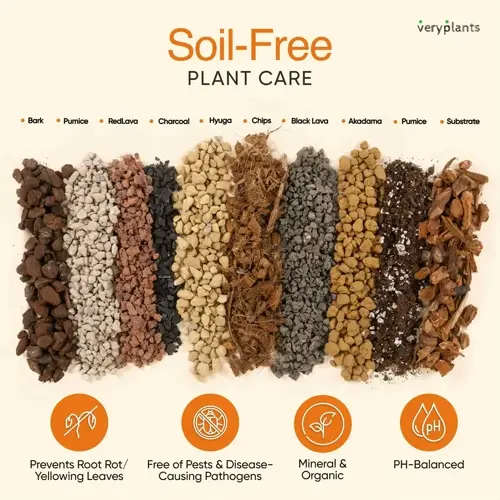
- Good potting mix: Quality soil holds moisture evenly while draining extra water. This prevents both drought stress and root rot.
Group plants by water needs to make care simple. Put succulents together where they can dry out. Cluster thirsty plants near the hose where you check them more often. This zone method lets you water each group on its own timing without walking the whole terrace daily.
Self-watering containers work great for busy plant lovers. The tank at the bottom holds water that wicks up as roots need it. I use these for my tomatoes during vacation season. The tank lasts 5-7 days of growth. What was once a daily chore becomes a weekly task.
Accept that low work means some trade-offs. A terrace full of sedums and lavender looks pretty year-round with almost no effort. Growing prize tomatoes or rare orchids takes time you may not have. Match your garden dreams to your real schedule. You will enjoy what you grow instead of feeling bad about plants you cannot keep up with.
Read the full article: 10 Transformative Terrace Garden Ideas