
The ideal sprinkler deep watering time falls between 20-30 minutes for most setups in your yard. Your system may need more or less based on type and output rate. Testing what you have beats following generic advice every time.
I tested my own sprinklers using the tuna can method and found big differences between zones. My oscillating head put out half an inch in 20 minutes. My impact sprinkler delivered nearly an inch in that same time period. These numbers let me set the right irrigation duration for each area.
In my experience, knowing your exact output rate saves both water and money over a full season. I used to guess at run times and either wasted water or left my grass thirsty. The tuna can test took just 15 minutes and changed how I water for good.
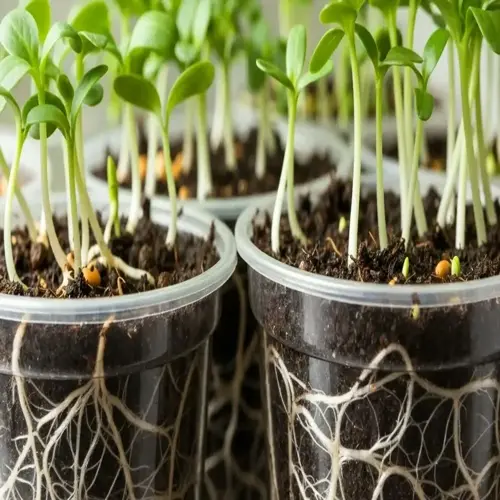
Water needs to soak 5-6 inches (12.7-15.2 cm) deep according to Iowa State Extension guides. This depth reaches your roots where grass and plants drink. Light watering that only wets the top inch keeps your roots near the surface where they dry out fast.
The EPA WaterSense program backs the tuna can test for sprinkler water penetration in your lawn. Set empty cans around your yard at different spots from the sprinkler heads. Run your system for 15 minutes and measure how much water each can caught. Do the math to see how long it takes to hit 1 inch (2.5 cm).
One inch per week is the magic number for most lawns in normal weather. This equals what healthy grass needs to thrive without wasting water. Knowing your system's output helps you dial in the right run time for your yard.
A smart lawn watering schedule delivers that inch in one or two deep soaks per week. Skip the daily light sprinkles that many people use. Deep watering trains your grass roots to grow down where moisture stays stable longer. Daily brief pours keep roots near the surface and create weak turf.
Clay soil needs a different approach since water pools on top before soaking into your ground. Use the cycle-and-soak method: run your sprinklers 10 minutes, pause for 30 minutes to let water seep down, then run them again. This beats puddles and runoff while still getting water deep.
Test your results by pushing a long screwdriver into your lawn after watering. It needs to slide in easy to 6 inches if you watered enough. Resistance at a lesser depth means you need more run time. Check several spots since your coverage varies across the yard.
Adjust for your yard's quirks to get the best results. Slopes shed water faster than flat ground does. Shade needs less water than full sun areas. Morning watering between 6 AM and 10 AM cuts losses to vapor so more water hits your roots where it counts.
Read the full article: 10 Essential Tips: When to Water Plants