
Most drip irrigation lines buried in the ground sit 4-12 inches (10-30 cm) deep based on what you grow above them. Surface drip lines don't need to be buried at all. They rest on the ground under 2-3 inches of mulch for cover. Your choice between surface and buried depends on whether your garden changes each year or stays put.
I went with surface lines for my veggie garden. That choice saved me a ton of hassle. Each spring I move crops to new spots and rotate what goes where. Surface lines let me pop emitters out, shift tubing around, and add or cut sections in minutes. When an emitter clogged last July I swapped it out in under 30 seconds without any digging. A buried system would have turned that quick fix into a sweaty dig.
The right subsurface drip irrigation depth matters most for areas that stay planted long term. Oklahoma State reports that 81% of drip in Oklahoma sits below ground. Buried lines put water right in the root zone. No moisture reaches the surface to dry up in the sun. This boosts how well water gets used. It also keeps tubing safe from UV rays, foot traffic, and critters that like to chew.
When burying drip tubing, match the depth to your plant type. Annual veggie beds need just 2-4 inches (5-10 cm) since most veggie roots sit in the top soil layer. Perennial borders do best at 6-8 inches (15-20 cm) where roots go deeper. Lawns need the deepest set at 8-12 inches (20-30 cm). That keeps tubing below mower blades and aeration tool tips.
Pick surface drip if your garden layout changes each year. Veggie growers, renters, and folks still trying out bed shapes should keep tubing on top. Cover it with mulch to block sun damage and hide it from view. You get full freedom to move, fix, and pack up your system with no shovel needed.
Pick buried drip for spots that won't change. Lawns, flower borders, and shrub rows all gain from a one-time burial. The tubing hides out of sight and stays out of harm's way for years. Rent a vibratory plow for big lawn jobs. Use a flat spade for smaller beds. Either way, the work takes just one afternoon for most home-sized areas.
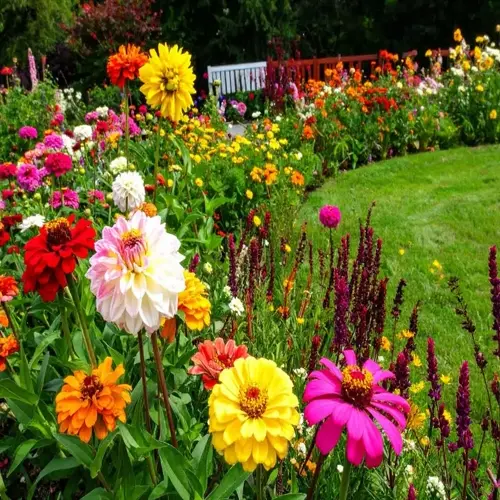
I buried lines under my front yard flower border two years ago. They still run great with zero repairs so far. The flowers look clean with no tubing in sight. My only tip is to snap a photo of your layout before you fill in the trenches. You will want that map the next time you need to find a joint or add a new line.
No matter which method you pick, put a flush valve at the end of each run. This lets you clear debris without pulling up the whole line. A five-dollar valve saves you hours of future work. That small step makes the difference between a system that lasts and one that clogs up within a year.
Read the full article: Drip Irrigation Guide for Home Gardens