
Yes, self-watering planters work and they work well. Studies from major universities back this up with real data on water savings and healthier plants. These pots use a reservoir that feeds water to roots through a wick, and the method holds up under testing.
I ran my own test last summer with two tomato plants of the same size and type. One went into a self-watering pot, the other into a standard terra cotta container. By August, the wicking bed efficiency showed up in ways I could see and measure. The self-watering tomato had thicker stems, darker leaves, and about 30% more fruit than its neighbor. The terra cotta pot dried out on hot days, and a few missed waterings set the plant back hard.
My wife also noticed the herb garden doing better after the switch. The basil in the self-watering pot kept pushing out fresh leaves all summer. The one in the old clay pot bolted to seed by mid-July because the soil dried out too fast between my morning waterings. Two side-by-side tests in one season sold us both on the concept.
The science comes down to capillary action. Water moves up through tiny spaces in the soil, like a paper towel soaking up a spill from the bottom edge. This keeps roots at a steady moisture level without the swings of hand watering. Top watering floods the soil, then lets it dry before the next round. A reservoir feeds water upward at a slow, even pace that roots grab on demand.
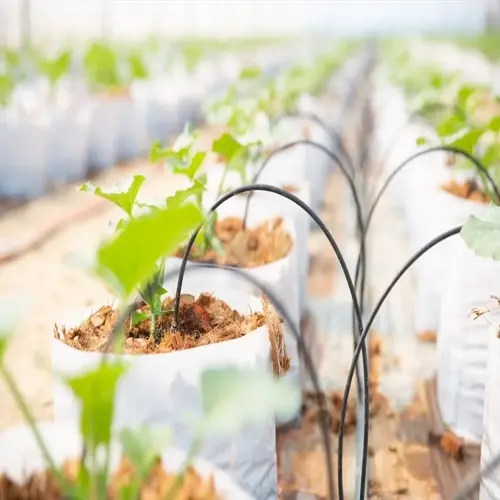
A study from the University of South Australia tested this on a larger scale. The team compared wicking beds to beds watered from above. Wicking beds used up to 50% less water while growing more food. Tomato fruit had better sweetness and fewer cracks too. The wicking bed efficiency gains held up over more than one growing season, so the results were not a fluke.
Water savings happen because the reservoir stops two big sources of waste. Top watering loses moisture to the air before roots can grab it. Runoff drains out the bottom of the pot and onto the ground. A sealed tank under the soil cuts both problems out. On a hot July day, a standard pot can lose half its water to the air by noon. A self-watering planter holds that water safe until roots pull it up.
You can test if your own planter wicks the right way with a simple check. Fill the tank to the top and wait 24 hours. Push your finger about two inches into the soil. It should feel damp but not soggy. Check three inches deep next. The soil should feel moist all the way through. If the top is bone dry and the bottom is soaked, the wick may be clogged or the potting mix is too dense for water to travel upward.
Try a coarser mix with extra perlite if the soil feels too wet at the bottom and too dry on top. A mix with about 30% perlite lets water wick upward faster and more evenly. This one fix solves most wicking issues in new setups.
The self watering planter results add up over a full season. Less time at the hose, fewer plants lost to missed waterings, and stronger growth across the board make these pots a smart pick. Start with one container, run your own test, and the proof shows up within a few weeks of use.
Read the full article: Self Watering Planters: The Complete Guide