
Yes, self-watering planters worth the cost is the short answer for most growers. They pay for themselves in one to two growing seasons through water savings and fewer dead plants. The upfront price runs higher than basic pots, but the return shows up fast.
I tracked my spending for a full year after switching eight pots to self-watering models. My summer water use for containers dropped by almost half. I also stopped losing herbs to the weekend dry-outs that killed 3 to 4 plants each season before the switch. The self watering planter value clicked when I added up what I spent on dead plant replacements. That money alone covered two new planters.
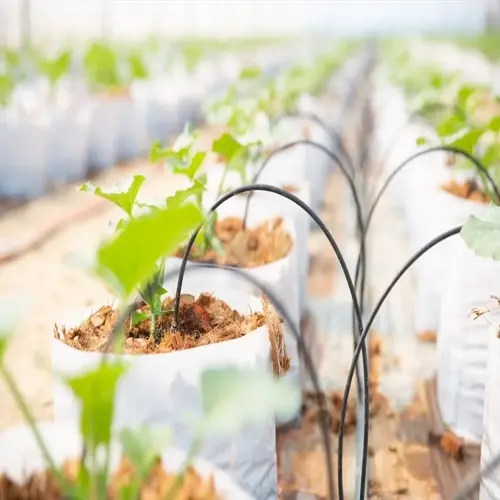
USDA research backs up the savings with hard numbers. Their studies show that sub-irrigation cuts water use by about 50% over top watering. Pouring water from above loses moisture to the air and to runoff out the bottom. A sealed tank under the soil stops both of those waste points. Your water goes straight to the roots and nothing hits the patio floor.
Budget planters work fine for a trial run, but plan to swap them after a couple of seasons. Mid-range models give you the best mix of price and life span for home use. Premium ceramic or raised bed systems cost more up front. But their 8 to 15 year life brings the per-season cost down below buying cheap ones over and over.
Time savings matter too, even if you cannot put a dollar sign on them. Hand watering a dozen pots each morning takes 15 to 20 minutes. Filling reservoirs twice a week takes about five minutes total. Over a full growing season, you get hours of your time back. That free time has real worth if your schedule is tight.
My neighbor tried one budget planter after seeing my setup. She grew a basil plant in it next to the same herb in a clay pot. The self-watering basil lasted three months longer before bolting. That single test sold her on buying more.
Start your own self watering pot investment with one $10 to $15 model and plant something you grow each year. Track how much water you add and how the plant looks next to the same type in a standard pot. After a month, the data tells you if scaling up makes sense. Most people who try one planter end up buying more because the proof is right in front of them.
Read the full article: Self Watering Planters: The Complete Guide