
The organic matter importance in your soil goes far beyond just making dirt look darker. It holds water, stores nutrients, and feeds the tiny creatures that keep plants healthy. Without enough organic matter, your soil fails to give plants what they need.
I learned this lesson the hard way during a drought two summers ago. My garden has two main sections. One raised bed gets fresh compost every spring. The other bed had been neglected for years with nothing added. When the rain stopped for three weeks, the difference shocked me.
The compost-rich bed stayed moist for four to five days after each watering. Plants kept growing without wilting. But the neglected bed dried out in less than two days no matter how much water I poured on. The tomatoes in that section drooped by noon each day. Same sun, same watering schedule, but very different results.
NRCS research explains why this happens. Organic matter holds 10 to 1,000 times more water and nutrients than mineral soil particles alone. Sand, silt, and clay can only do so much. The organic fraction acts like a sponge that grabs moisture. Then it releases water back to plant roots over time. These organic matter functions make the difference between soil that works for you and soil that fights you.
The soil health benefits go way beyond water storage though. Each 1% of organic matter in your soil holds roughly $500 per acre worth of stored nutrients. That same amount can supply 20-50% of what crops need for nitrogen without any added fertilizer. Your soil becomes a savings account that pays interest in the form of plant nutrients.
Organic matter also feeds the living creatures that make soil work. Earthworms, bacteria, and fungi all need carbon-rich material to eat. When you starve them, nutrient cycling slows down. Soil structure falls apart. Harmful root diseases show up more often because beneficial microbes can't fight back.
You can check your own soil's organic matter status with a few simple tests. Pour water on bare soil and watch what happens. Does it soak in fast or pool on the surface? Pick up a handful and squeeze it. Does the soil hold together in a ball or fall apart like powder? Smell it. Healthy soil smells earthy and alive, not dusty or sour.
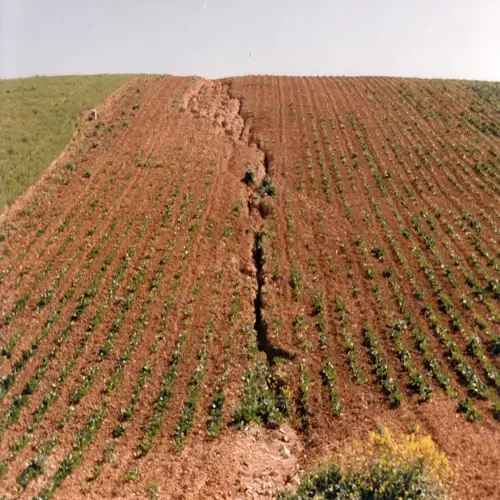
Look at what happens after rain too. Soil low in organic matter crusts over and cracks as it dries. Water runs off instead of soaking in during the next storm. Wind blows the dry dirt away. These signs tell you that your soil needs more organic material to function the right way.
Start adding compost, mulch, or cover crops if your soil shows these warning signs. Even one inch of good compost spread each year will boost your organic matter over time. Mix it into the top few inches of soil or let worms pull it down for you. The soil health benefits add up fast once you start feeding your dirt the way it wants to be fed.
Read the full article: Soil Organic Matter: The Essential Guide