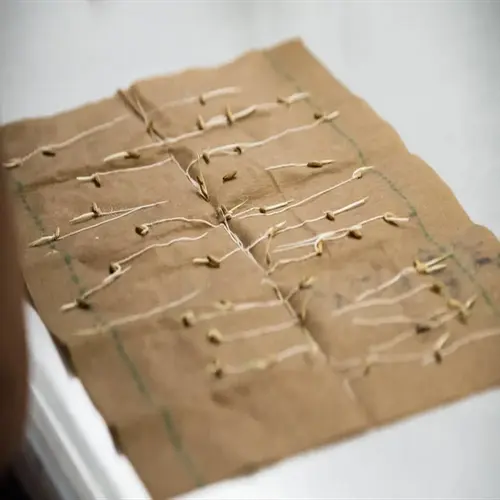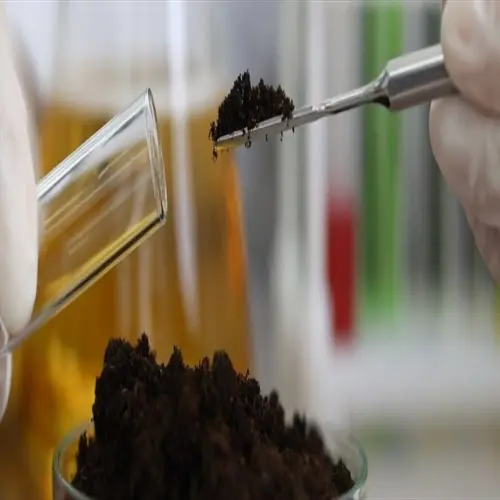

Animal involvement seed dispersal is crucial because trees cannot move their seeds far alone. Between 50% and 90% of tropical forest trees need animals to carry seeds for them. Scientists call this zoochory, and it keeps forests alive and healthy.
When I first started watching birds in my backyard, I noticed how many berries they ate each day. Robins would gulp down fruit and then fly off to perch somewhere new. Each bird was moving seeds without even knowing it. I also found burrs stuck to my dog's fur after walks through fields. Those sticky seeds hitched a ride right into our yard.
Animal seed transport happens in two main ways that you should know about. The first is inside animals when they eat fruits and drop seeds in their waste later. The second is outside when seeds stick to fur or feathers for a free ride. Both methods move seeds much farther than wind or gravity can.
The inside method has a bonus that helps your garden in surprising ways. Digestive acids break down tough seed coats as they pass through an animal's gut. This makes it easier for baby plants to sprout once they hit your soil. Some seeds will not grow at all unless an animal eats them first.
Numbers show just how hard animals work to spread seeds around. German jays move about 4,600 acorns each season to stash for winter food. They carry acorns up to 4 km (2.5 miles) from the parent oak tree. Many of those buried acorns get forgotten and grow into new trees.
You can attract seed-moving animals to your own garden with the right plants. Berry bushes like elderberry and serviceberry bring in birds all summer long. Oak trees draw squirrels that bury acorns across your whole yard. Native plants work best for you since local animals already know and love them.
Your garden becomes part of a bigger seed network when you plant for wildlife. Birds that visit your feeders also spread seeds from plants nearby. Squirrels that bury nuts in your lawn came from trees down the street. Each animal connects your yard to the larger landscape around it.
Watch for animal seed transport in action next time you go outside. Look for bird droppings with seeds visible inside them. Check your socks and pants for hitchhiking burrs after a hike. You will start to see how animals move plants around every single day.
In my experience, the best time to spot this process is during berry season in late summer. Birds eat nonstop during those weeks. Each one becomes a tiny seed planting machine as it flies from bush to bush across your area.
Without animals doing this work, forests would look very different than they do today. Trees would crowd around their parents instead of spreading out. Genetic mixing would drop as plants bred only with close neighbors. The whole system depends on creatures willing to eat fruit and carry seeds to new homes.
You can help this process along by making your yard friendly to wildlife. Keep some leaf litter for ground birds to scratch through. Leave dead flower heads up over winter so birds can eat the seeds. Add a water source and you will see even more visitors stop by your space each day.
Read the full article: 6 Key Seed Dispersal Methods Explained