
Knowing where to test soil contaminants can make or break your results. Strategic sampling helps you find problems instead of missing them. You need to focus on spots where pollution builds up over time based on sources and drainage.
I learned this lesson on a 1950s home where I tested two spots. The lawn center came back at 80 ppm lead, well under EPA limits. The drip line just two feet from the foundation showed 850 ppm lead. That reading was more than ten times higher and above the 400 ppm action level. Same yard, very different results based on where I sampled.
Pollution builds up in certain spots for clear reasons. Paint chips fall near building walls and pile up over decades. Oil drips collect where cars parked for years. Pesticides stay in garden beds where sprays went down each season. Water moves dissolved pollutants downhill and drops them in low areas. These patterns guide your soil sampling locations to where problems hide.
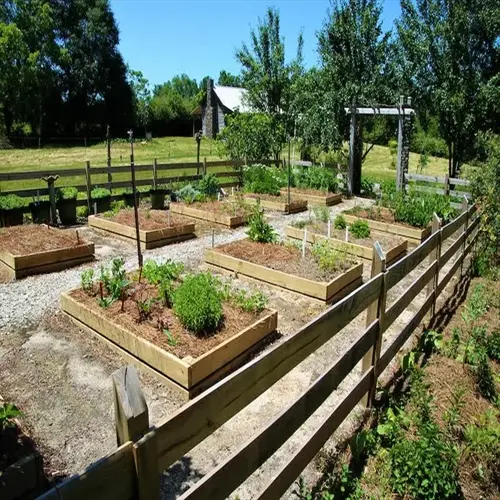
Contamination hotspots should get your attention first when you plan where to sample. Building edges catch lead paint bits from exterior work and weather wear. Old driveways and garages hold petroleum from vehicle leaks and fuel spills. Garden beds may contain old pesticides banned years ago for home use. Play areas and vegetable patches matter most since kids and food plants touch this ground.
Building Perimeter Zones
- Why test here: Lead paint chips and dust build up within 3 feet of foundations from decades of exterior work and weather.
- Sample depth: Focus on the top 2-4 inches where paint bits settle and where children touch the ground while playing outside.
- Comparison tip: Test both the drip line and lawn center to see if perimeter levels run higher than background readings.
Vehicle and Storage Areas
- Why test here: Old driveways, garages, and tank spots hold petroleum from spills and leaks that happened over many years.
- Visual clues: Stained concrete, dead plant patches, or bare spots where grass won't grow point to contamination below.
- Test depth: Petroleum sinks deeper than metals, so take both surface and 6-12 inch depth samples from these areas.
Garden and Play Areas
- Why test here: These property soil testing areas matter most since people and food plants have direct contact with the dirt.
- Legacy risk: Vegetable beds may hold arsenic from old sprays, lead from past contamination, or other lasting chemicals.
- Frequency: Test these high-use zones even when other spots seem clean to confirm safety for your most sensitive uses.
Take at least 3-5 samples per area you want to check. One sample from a suspected hot spot tells you little by itself. You need comparison points to understand what the numbers mean. Add background samples from spots away from obvious sources to see if high readings are isolated or widespread.
Draw a simple map of your property before you start sampling. Mark old structures, buried tanks, former gardens, and drainage paths. Note where water flows during rain and where it pools. A few minutes of planning helps you target the right spots and prevents false confidence from testing only the cleanest areas.
Most properties need samples from at least three distinct zones to get useful data. Test the building perimeter for lead if your home predates 1978. Check old parking areas for petroleum. Sample your garden beds and play areas where exposure risk runs highest. This approach covers the main concern areas without breaking your testing budget.
Read the full article: 5 Critical Insights into Soil Contamination Testing