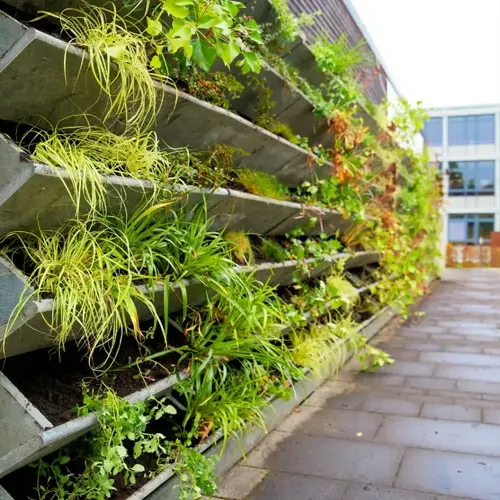

You should plant where to plant erosion control species where you see active erosion happening on your property right now. Look for bare soil, small channels, and areas where water runs fast during storms. These spots need plants first since they cause the most soil loss each time it rains.
In my experience walking properties after heavy rain, the problems become easy to spot. I look for muddy water flowing across the ground and mark those paths with small flags. Bare spots where grass died show up as brown patches that need attention. Channels carved into slopes tell me where water hits hardest on the property.
Identifying erosion areas takes just one good rain and a walk around your yard. Start at the top of any slopes and work your way down to see how water moves. Note where dirt collects at the bottom since that soil came from uphill. Follow it back to find the source of your erosion problem.
Focus your erosion control plant placement on slope crests where erosion often starts on your land. The top edge of a hill catches rain first and water picks up speed as it flows down from there. Plants at the crest slow water before it can build momentum and carve channels into your slope.
Drainage channels and swales need plants along their edges and bottoms to slow fast-moving water. These low spots collect runoff from a wide area and move it across your property with force. Line them with tough species that can handle getting wet and taking a beating during storms.
Utah State research shows that surface erosion can start on slopes as gentle as just 2% grade. You might think your yard is flat but even small tilts move water and soil over time. Look at your whole property with fresh eyes and you may find erosion where you never noticed it before.
Strategic slope planting means putting plants where they do the most good for your specific situation. Address active erosion spots first with fast-growing species that grab hold quickly. Then expand your planting outward to protect areas at risk before erosion starts there too.
When I first planned my erosion control project, I mapped out water flow patterns across my whole yard. I drew arrows showing which way runoff moves during storms based on what I saw. This map helped me see the big picture and plan where each group of plants should go.
Consider how water enters and leaves your property when you decide where to plant. Runoff from your neighbor's yard may cause erosion on your land even though the source is not on your property. Plants at your property line can catch that incoming water before it causes problems for you.
Work outward from your worst spots as time and money allow for your planting project. Each area you plant protects the areas downhill by slowing water before it gets there. Your erosion control will expand year by year until the whole property stays stable through any storm.
Read the full article: 10 Best Erosion Control Plants for Your Landscape