
You need to know when to test soil to catch problems before they affect your health. Test before planting edible gardens. Test after buying property. Test when you see warning signs like dead plants or strange smells coming from the ground.
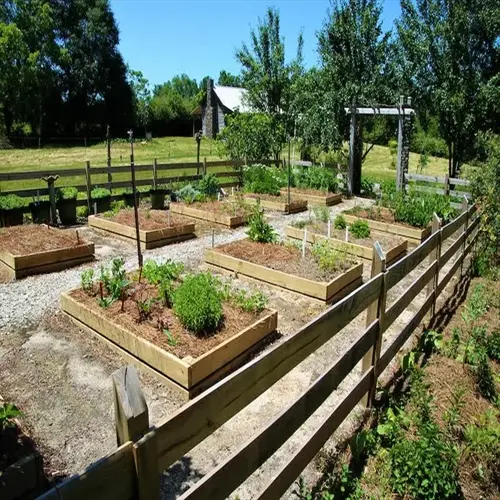
I tested soil before planting a vegetable garden at a 1960s home last spring. The results showed 380 ppm lead in the planned garden area. That was close to the EPA limit of 400 ppm. We built raised beds with clean soil instead. The soil testing timing saved us from growing food in bad dirt.
Certain soil test triggers call for testing right away on your property. Properties built before 1978 may have lead paint in the soil around them. Former farms may hold old pesticide residues from past crop spraying. Land near highways has higher lead from decades of leaded gas exhaust fumes.
Watch for visible signs that point to contamination problems below the surface. Plants that die for no clear reason may face toxic soil. Strange chemical smells rising from the ground point to petroleum or solvents. Oily sheen on water puddles shows fuel contamination. Bare patches where nothing grows hint at high pollutant levels.
Property Purchase
- Why test now: You inherit any contamination problems when you buy, so testing before closing protects you.
- Focus areas: Test near foundations for lead, old parking areas for petroleum, and garden beds for pesticides.
- Documentation: Get certified lab reports for legal protection and proof of conditions at purchase time.
Edible Gardens
- Why test now: Plants absorb contaminants from soil, passing them into food you and your family eat.
- Critical metals: Lead and arsenic pose the biggest risks for vegetable gardens in older neighborhoods.
- Safe options: If tests show problems, raised beds with clean imported soil let you grow food safely.
Construction Projects
- Why test now: Digging exposes buried contamination and spreads polluted soil across your property.
- Disposal rules: Some contaminated soil requires special handling that adds project costs if found late.
- Planning value: Early testing lets you plan around problems instead of finding them mid-project.
Set up a contamination testing schedule for yards with ongoing risks near them. Homes near highways should retest every few years as new gunk builds up. Land next to big plants needs checks now and then. Gardens with past problems deserve yearly tests until the numbers stay flat.
Baseline testing gives you good data to check against later on. Test when you first move in to know what you started with. Retest after any cleanup work to confirm it worked. Keep records of all results to track changes over time and spot new issues early.
The right soil testing timing depends on your situation and your plans for the land. New property owners should test before making big landscape choices. Gardeners should test before planting edibles each season in risky areas. Parents should test play zones before letting young children use them. Match your testing to your highest-risk uses.
Read the full article: 5 Critical Insights into Soil Contamination Testing