
The temperature safe for water scarification runs from 170 to 210 degrees for a short dip then slow cooling. This softens tough coats without harming the embryo.
I use a candy thermometer for all my seed heat treatment projects to take the guesswork out of water temps. My nasturtium batch started at 180 degrees and cooled slowly overnight. Nearly all sprouted within a week.
Research in soil science journals found that temps above 176 degrees start to raise seed death rates. The higher you go past this point, the more seeds you lose to heat damage. Stay near the low end of the range.
Seeds exposed to 219 degrees for one hour showed total loss in alfalfa trials. That temp sits below actual boiling point but still kills seeds fast. This proves how narrow the safe zone is for this work.
The safe range runs from 170 to 210 degrees for most seeds. Brief heat works well. Holding temps too long kills seeds fast.
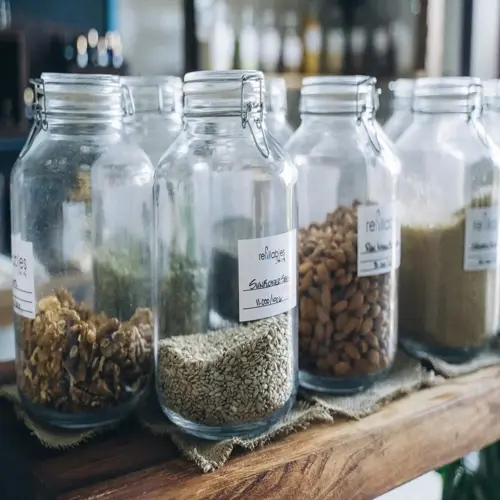
The key to safe seed heat treatment lies in letting the water cool down on its own after the pour. Place your seeds in a glass jar and add hot water. Let the whole jar cool slowly overnight rather than trying to hold the heat.
I learned that adding seeds to boiling water kills more embryos than the heat itself does. The sudden shock proves fatal even if the temp looks right. Let water cool for a minute first, then pour over seeds.
Glass jars work better than plastic for hot water scarification temperature work. They handle high heat without warping or releasing chemicals. Mason jars hold warmth well and let you see the seeds as they soak.
Always test your thermometer before trusting it for treatment since cheap models can drift over time. A few degrees of error could push your work into the danger zone. Check against ice water or boiling point first.
I tested different temps to find my sweet spot. For morning glory 175 degrees worked best. Redbud needed a hotter start than that.
I batch my hot water treatments by seed type so each group gets the right temp in its own jar. Morning glories go in one jar at 175 degrees. Redbud gets a hotter start in a separate container for best results.
Keep notes on what temps work for each seed type you grow through the seasons. Different seeds respond to different points within the safe range. Building this record helps you get better results each year.
When in doubt, aim for the lower end of the hot water scarification temperature range around 170 degrees. You can always retreat seeds that did not soften enough. But you cannot undo heat damage from going too hot.
Read the full article: How to Scarify Seeds: A Complete Guide