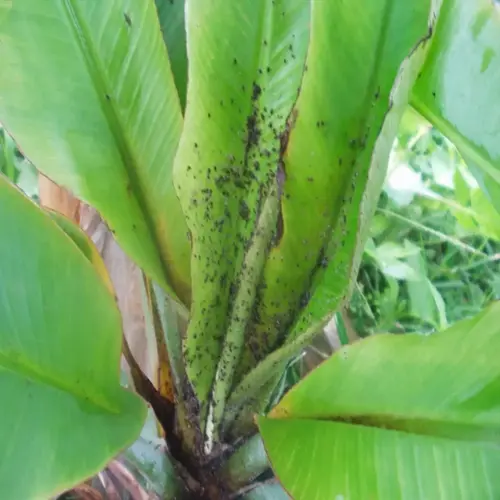

Many insect survival adaptations help bugs make it through harsh conditions in your yard and beyond. These include dormancy states, protective shells, and life cycle tricks that spread risk across many stages. Each method gives bugs a better shot at passing their genes to the next round of life.
When I first found a praying mantis egg case on my fence post in winter, I was amazed it could survive. The foam shell had frozen solid through months of snow and ice in my yard. But come spring, hundreds of tiny mantises hatched out and spread across my garden to hunt pests. That protective insect structure kept them safe all winter long.
Insect diapause is one of the most clever tricks bugs use to wait out bad times. This programmed pause in growth lets them survive cold winters or dry summers without food or water. Day length and temperature changes tell their bodies when to shut down and when to wake back up again. You can think of it like a deep sleep that lasts for months at a time.
Different bugs enter diapause at different stages of their lives based on what works best for them. Some pause as eggs buried in soil where the cold can't reach them below ground. Others wait as pupae wrapped in silk cocoons that protect them from ice and predators. Adult beetles hide under bark or leaf litter where you might find them in your garden during winter months.
Protective insect structures take many forms that you can spot if you look around your yard. Cocoons made of silk give soft bodies a tough shield against weather and hungry birds. Egg cases like the mantis foam harden into a weatherproof shell that you can leave in place. Galls that bugs form on plants provide food and shelter in one package for young bugs inside.
In my experience, the cleverest insect life cycle strategies split resources between young and old. A caterpillar eats leaves while the adult butterfly drinks nectar from flowers in your garden. This means parents and offspring never compete for the same food at all. Both can thrive in the same area without taking from each other's plate.
Research shows this food splitting helped bugs take over the world millions of years ago. Larvae and adults can exploit two different food sources in your garden at the same time. This doubles the resources available to the species as a whole compared to bugs that eat the same thing their whole lives. More resources means more babies that survive to breed themselves later.
You can help overwintering bugs survive in your yard with a few simple steps. Leave some leaf litter in your garden beds where bugs hide through cold months. Don't cut back all your dead plant stems until spring arrives and bugs emerge from their shelters. Provide a brush pile in a corner where beneficial bugs can find protection from wind and ice.
Creating bug habitat pays you back with natural pest control all year round in your garden. Lady beetles that overwinter in your leaf litter will eat aphids come spring without you doing anything. Ground beetles hiding under logs hunt slugs and snails that munch your lettuce at night. The more bugs you shelter, the more help you get with pests for free.
Watch for signs of bug survival tricks throughout the seasons in your outdoor spaces. Find egg cases on twigs before leaves fall from trees in autumn near your home. Spot cocoons hanging from eaves where they wait for warm weather to trigger their next stage. Notice which bugs wake up first in spring and track where they spent the winter in your yard.
These insect survival adaptations explain why bugs have ruled the earth for over 400 million years now. They can outlast droughts, freezes, and food shortages that would kill most other animals in your area. Your garden is home to countless survival stories playing out right now if you know where to look for them. Take time to find these tough little creatures and learn from their insect survival adaptations.
Read the full article: Insect Life Cycles: Types, Stages, and Facts