
Good wildflower meadow maintenance takes far less work than you might expect. Established meadows need just one annual mowing plus some basic seasonal care. The key tasks include late winter mowing, spring weed checks, and occasional overseeding. Most gardeners spend less than ten hours per year keeping their meadow looking great.
I tested different mowing schedules on my own meadow over five years. Mowing everything at once in late winter worked okay but looked rough for weeks. Switching to rotational mowing made a huge difference in both looks and wildlife value. Now I cut one third of the meadow each year and leave the other sections standing. The mix of cut and uncut areas supports more insects and birds all season.
Rotational mowing of one third each year prevents woody plants from taking root. Tree and shrub seedlings will slowly invade any meadow left totally uncut. The annual mowing knocks these invaders back before they get established. But leaving two thirds standing through winter gives insects shelter and birds a seed source. This balance keeps your meadow healthy for years.
UNH Extension recommends late winter mowing as the optimal time for meadow care annual tasks. Wait until seeds have dropped from standing plants but before new spring growth starts. This timing falls between late February and early April in most northern zones. Southern meadows can be cut as early as January. Check your local frost dates and aim for about four weeks before spring green up begins.
Set your mower deck to 4-6 inches (10-15 cm) when cutting your meadow down. This height leaves stem bases that protect plant crowns from cold and sun. Lower cutting can damage the crowns and kill perennials that would have come back. Use a string trimmer or brush mower for small areas. Larger meadows need a flail mower or tractor mounted deck.
Maintaining wildflower garden areas means watching for problem weeds through the growing season. Walk your meadow every few weeks and pull any invasive plants you spot. Canada thistle, bindweed, and other aggressive species can spread fast if you ignore them. A few minutes of pulling each week prevents small problems from becoming big ones that choke out your flowers.
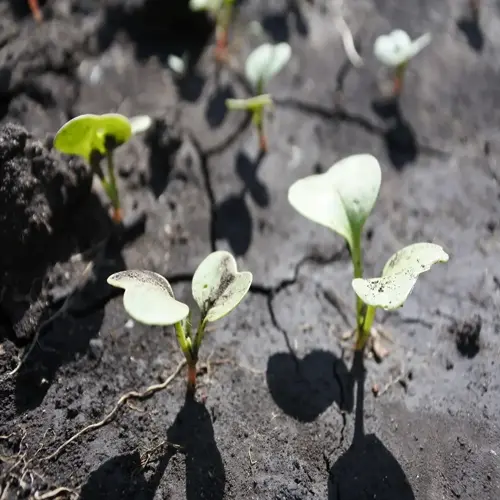
Overseed thin spots every two to three years to keep your meadow thick and full of variety. Scatter seeds in early spring over bare patches or areas where plants died out. Press seeds into contact with the soil using a board or your feet. Light raking works too but do not bury seeds deep. This refreshes your plant mix and fills gaps before weeds grab that space.
Avoid mowing during bird nesting season from May through July in most areas. Ground nesting birds like meadowlarks and bobolinks raise young in tall meadow grass. Even walking through your meadow can disturb nests during this time. Save your major maintenance work for late winter and early fall when wildlife impact stays low. Your meadow will reward you with birds and butterflies all summer long.
Read the full article: When to Plant Wildflowers: Ultimate Guide