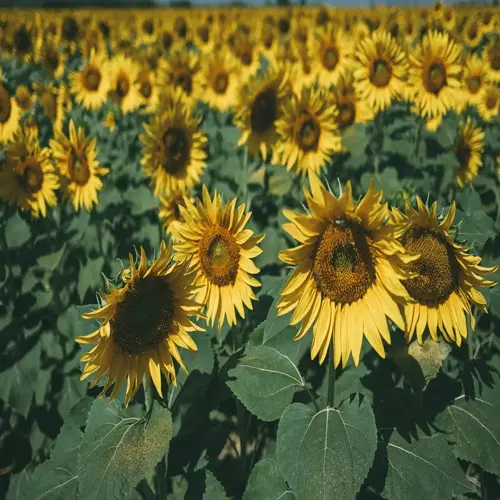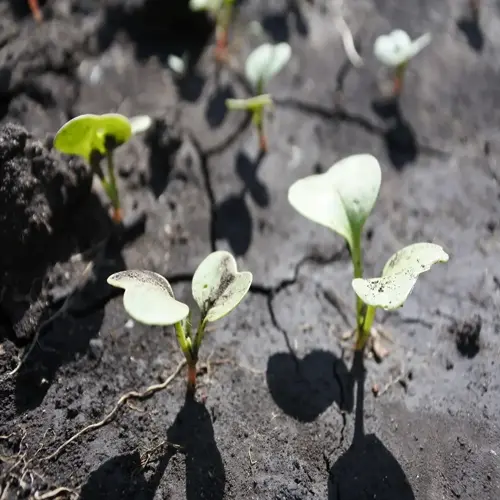

The optimal season for planting wildflowers depends on your USDA hardiness zone and the types of seeds in your mix. Southern gardeners plant in fall while northern growers wait until spring. Getting this timing right makes the difference between a thriving meadow and a bare patch of dirt. Your climate zone tells you whether seeds need winter chill or spring warmth to wake up.
I tested this myself by planting two meadows on my property three years ago. The fall-planted section in zone 7 came up thick and strong the next spring. My spring-planted area struggled with half the germination rate. It took an extra full year to fill in the gaps. In my experience, the best time to plant wildflowers lines up with what nature does on its own in your region.
Many native seeds need cold treatment before they can sprout. This process is called cold stratification. The seeds must sit in cold wet soil for several weeks. This breaks down hormones that keep the seed asleep. Fall planting lets winter handle this step for you. Spring planting means you must pre-chill seeds in your fridge for 4-8 weeks before sowing them outside.
Your wildflower planting season shifts based on where you live in the country. Gardeners in zones 7 through 11 should plant from September through December when temperatures stay mild. The gentle winters give seeds enough chill hours without killing them through hard freezes. Those in zones 1 through 6 face harsh winters that can damage exposed seeds sitting on the soil surface. Plant after your last frost date in spring once soil temperatures reach 50-60°F (10-15°C) at a depth of two inches.
The timing also changes based on whether your mix contains mostly annuals or perennials. Annual wildflowers like cosmos and zinnia germinate fast and bloom the same year. They handle spring planting well in any zone since they skip the chilling step. Perennial species like coneflower and black-eyed Susan need that cold period. Fall sowing gives perennials their best chance at strong roots before summer heat arrives.
Look up your USDA zone using the map on the USDA website. Enter your zip code and you will get your exact zone in seconds. Next, find your average last frost date through your local extension service. Count back 6-8 weeks from your first frost date for fall planting. For spring, count forward 2-4 weeks after your last frost. Write these dates down so you do not miss your window.
Rainfall patterns add another layer to your planning. Plant before your wet season starts. This gives seeds steady moisture during germination. In the Pacific Northwest, October planting catches the fall rains at the perfect time. In the Southwest, late summer monsoons make August ideal for getting seeds in the ground. Desert gardeners should target the brief rainy windows their region receives each year.
When I first started growing meadows, I ignored these timing rules. I scattered seeds whenever the mood struck and half of them never came up at all. Now I match my planting to when nature provides 4-6 weeks of regular moisture. I also check that temperatures suit each seed type in my mix. Your seeds will have the best shot at success when you work with your local climate instead of fighting against it.
Read the full article: When to Plant Wildflowers: Ultimate Guide