
The ideal humidity greenhouse plants need sits between 50-70% for most common crops you might grow. This range lets your plants breathe and pull water from their roots without inviting fungal problems. Go too far in either direction and you will see trouble show up fast in your crop health and growth rates.
I have watched both extremes cause real damage in my own growing setups over the years. One dry winter, my humidity dropped below 30% for a full week while I was away visiting family. My pepper seedlings came back with crispy brown leaf edges and stunted growth. They stayed small and weak for a whole month after that stress event even with perfect care.
The following spring, I made the opposite mistake by letting my space get too wet. I allowed humidity to climb above 85% during a warm and rainy stretch in April. Gray mold swept through my tomato starts within just three days of the spike. I lost nearly a third of my young plants before I got the airflow fixed and things dried out again.
The relative humidity range you keep affects how fast water moves through your plants from roots to leaves. When humidity drops low, the dry air pulls moisture from leaf surfaces faster than roots can replace it from the soil. Plants close their tiny pores called stomata to save water. This slows growth and photosynthesis even when your soil stays wet.
High humidity above 80% sets up perfect conditions for nasty fungal diseases to take hold. Botrytis and downy mildew love wet stagnant air. These pathogens need wet leaf surfaces to start their attack and spread to new hosts. When moisture sits on foliage through the night, you give them exactly what they want. Once fungi take hold, they spread fast through dense plantings and are hard to stop.
New sensors have made humidity management greenhouse work more exact now. Digital meters hit accuracy of plus or minus 2% which beats old analog gauges. Smart systems boost control by around 15% compared to older gear. Good monitors pay for themselves through healthier crops.
Put sensors in several different spots across your growing space rather than just one central location. Humidity varies a lot based on distance from vents and how tightly you have packed your plants together. The corner farthest from your exhaust fans often runs 10-15% higher than spots with good strong airflow. Find your problem zones first so you know where to focus your fixes.
You can control humidity through both natural venting and active machine drying. Crack your vents open early on cool mornings to swap humid inside air for drier outside air before temps climb too high. When outdoor air runs just as wet as yours during rainy spells, run a portable dehumidifier instead. This gives you control no matter what the weather does outside.
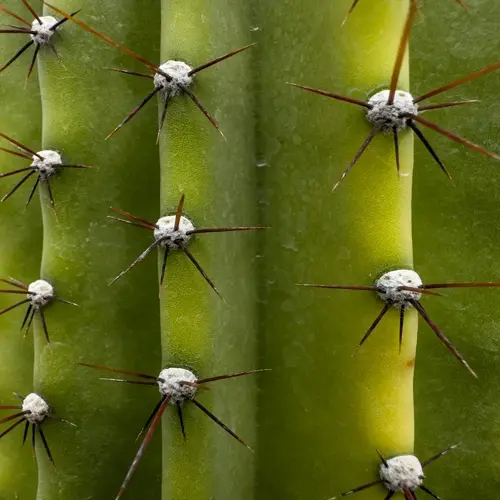
Match your humidity targets to what you grow since different crops have different needs. Orchids thrive with moisture levels between 60-80% and may struggle in dry air. Cacti and succulents do better around 40-50% and will rot if kept too wet. Tomatoes and peppers like the middle of the range. Know your plants and adjust your goals to match what they prefer.
I keep a small portable dehumidifier on hand for those damp fall weeks when outside air offers no relief through venting. Mine runs about $150 and pulls several gallons of water from the greenhouse air each day. My plants stay dry and healthy while neighboring growers fight mold outbreaks every single season. The power cost is small compared to losing even one crop.
Read the full article: Greenhouse Climate Control: Growth & Efficiency