
The health risks contaminated soil poses depend on three ways toxins enter your body. You can swallow soil by hand-to-mouth contact. You can breathe in dust from bad soil. You can absorb toxins through your skin. Each path delivers pollutants into you.
Lead exposure risks rank among the most serious toxic soil dangers for families with children. Research shows that lead causes brain damage in kids that cannot be fixed. Even low levels affect how children learn and behave. Kids face the biggest risk because they put hands in their mouths often.
Children face greater soil contamination health effects than adults do. Their bodies are smaller, so the same dose has a bigger impact on them. Their nervous systems are still growing and more prone to damage from toxins. They play closer to the ground and touch dirt more than adults do.
Heavy metals create lasting toxic soil dangers because they stay for decades in your yard. Lead stays in soil until you remove it. Old arsenic from pest sprays sticks around for years. Mercury binds to soil and does not wash away. These metals build up in your body over time.
Lead Effects
- Brain damage: Causes learning problems, lower IQ, attention disorders, and behavior issues in children.
- Nervous system: Damages nerve function in adults, causing memory problems and mood changes.
- Blood system: Reduces ability to make healthy red blood cells, leading to anemia and fatigue.
Arsenic Effects
- Cancer risk: Links to skin, lung, bladder, and kidney cancer with long-term exposure over years.
- Skin changes: Causes thickening, color changes, and lesions on hands and feet with chronic contact.
- Organ damage: Harms liver, kidneys, and digestive system when exposure continues over time.
Petroleum Effects
- Respiratory harm: Breathing fumes causes headaches, dizziness, and lung problems in the short term.
- Liver damage: Some compounds harm the liver with repeated exposure over months or years.
- Cancer link: Benzene and other volatile compounds have known links to leukemia and blood cancers.
You can reduce lead exposure risks through simple daily habits at home. Keep kids from playing in bare dirt near old foundations. Wash hands after outdoor play and before eating any food. Remove shoes at the door to avoid tracking bad dust inside your home. Wet-mop floors instead of sweeping.
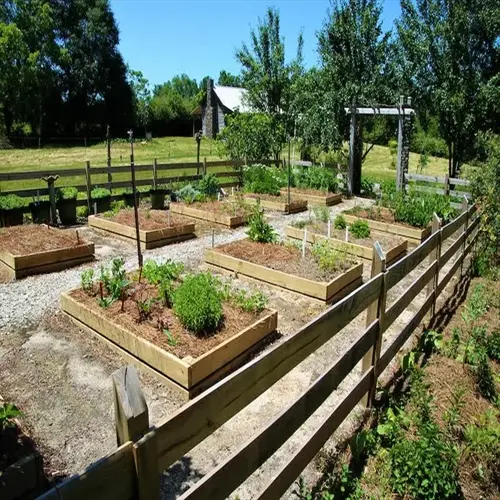
Garden safety needs extra steps when toxic soil dangers exist on your land. Wash all produce well before eating, even from raised beds with clean soil. Peel root veggies grown in bad soil. Think about raised beds with clean soil if tests show high levels in your native ground.
Test your soil before starting food gardens or letting children play in bare dirt areas. The soil contamination health effects are real and lasting for your family. Early testing costs far less than treating health problems from years of exposure. Know what your soil contains to protect the people you love.
Read the full article: 5 Critical Insights into Soil Contamination Testing