
Your tree roots after removal start a slow decay process that takes years to finish. Most roots begin breaking down within months of the tree being cut. But the full system can take 3-7 years to rot away depending on the species and soil conditions. A lot happens underground during that time.
I dug up a garden bed five years after the previous owner removed a large ash tree from the spot. The main roots still held their shape even though they had turned soft and spongy inside. Smaller feeder roots had vanished but the thick structural roots remained. It took another two years before I could plant there without hitting wood.
Another job showed me how some roots refuse to die at all after cutting. We removed a silver maple in spring and came back in fall to find dozens of shoots growing from the stump and roots. The root system had stored enough energy to push new growth for three full seasons. Some species just won't quit without extra treatment.
The mass of dead tree roots left behind is bigger than most people realize after removal. Roots make up one-third to one-fifth of a tree's total dry weight depending on species. A tree weighing 2000 kilograms above ground leaves 400-650 kilograms of roots below. That's a lot of wood waiting to rot in your soil.
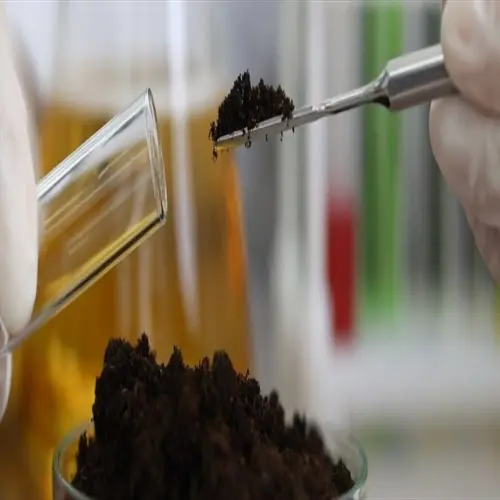
Fungal decomposers do most of the work breaking down your root decay after cutting over time. Bacteria and insects help too but fungi are the main players in this process. They digest the wood from the outside in and turn it into soil nutrients. Moist soil speeds this up while dry or compacted ground slows decay down.
Some species sprout new growth from roots while others die for good once cut down. Willows, poplars, and tree of heaven send up suckers for years after removal. Oaks, pines, and most conifers rarely regrow from their root systems at all. Know which type you have before deciding on your removal approach.
Your stump root decomposition choices come down to three main options for your yard. You can grind the stump and major roots with a machine for fast results. Chemicals speed decay and stop regrowth in species that like to come back. Or you can wait and let nature take its course over several years.
Stump grinding works best when you need to replant or build on the spot right away. The machine chews up the stump and main roots to 15-30cm (6-12 inches) below grade. You can fill the hole with soil and plant grass within weeks. But smaller roots stay behind and decay on their own over time.
Natural decay makes sense when you have time and don't need the space for anything else. Drill holes in the stump and fill them with nitrogen fertilizer to speed things up. Cover with mulch to hold moisture and warmth that fungi need to work. Check back every year and the stump will shrink as decay takes hold.
Read the full article: 7 Essential Facts About Tree Root Systems