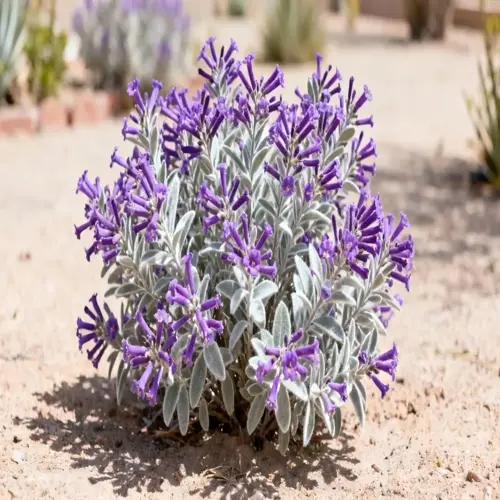

The flowers professional chefs use most are nasturtiums, borage, and chive blossoms. These three blooms show up on plates at fine dining spots and casual eateries alike. You will see them more than any other edible flower when you eat out at places that care about how food looks and tastes.
I talked with a chef at a farm-to-table spot in my town about why she picks the flowers she does. She told me it comes down to three things: flavor that adds to the dish, colors that pop on the plate, and petals that hold up during service. A flower that wilts in ten minutes does her no good even if it tastes great.
When I first tried to plate like a chef at home, I made the mistake of using flowers that looked pretty but had no flavor. The dish looked nice but tasted flat when you bit into those bland petals. Now I know that real chefs pick blooms that add taste along with visual appeal.
Chefs match flower flavors to their dish profiles with great care. Peppery nasturtiums go with salads and beef dishes. Sweet violas pair with desserts and fruit plates. Mild chive blossoms work with fish and eggs. The wrong flower can clash with your main flavors and ruin the whole dish.
Color contrast drives a lot of chef flower garnishes on restaurant plates. A bright orange nasturtium pops against a green salad. Purple borage stands out on pale yellow custard. White chamomile looks stunning on a dark chocolate cake. Chefs think about these color pairs the same way artists do.
Squash blossoms hold a special spot in Italian restaurant kitchens. Chefs stuff them with ricotta and herbs. Then they fry them until golden and crisp. One bloom can cost you eight to twelve dollars as an app at a nice place. They taste sweet with a hint of squash that melts in your mouth.
Borage stars show up in craft cocktails at bars all over now. The blue petals float on gin drinks and look like tiny gems in your glass. They add a faint cucumber taste that goes well with citrus and herb notes. Your drink looks twice as fancy with one bloom floating on top of the ice.
Restaurant edible flowers come from specialty farms that grow just for chefs and food service. These growers pick blooms the morning of delivery to keep them fresh. They never use any sprays because chefs need flowers safe to eat. The supply chain matters because wilted petals make a chef look bad.
You can copy these chef techniques at home with flowers from your own garden or a trusted seller. Pick your blooms early in the morning when they hold the most water. Keep them cool in a damp paper towel until you need them for plating. Place them on your dish at the last second before you serve your guests.
Start with three basic pairings to build your skills at home like a real chef. Put nasturtiums on green salads with a light dressing. Add chive blossoms to scrambled eggs or omelets in the morning. Float borage in your summer drinks for a touch of class when friends come over.
In my experience, less gives you more with flower garnishes on your plates at home. One perfect bloom beats a pile of petals every time. Place your flower where the eye goes first on the plate. That single touch of color and texture makes people think you know what you are doing in the kitchen. Try these tips and your home cooking will look as good as what you see at your favorite local restaurant.
Read the full article: 20 Edible Flower Varieties for Gourmet Gardens