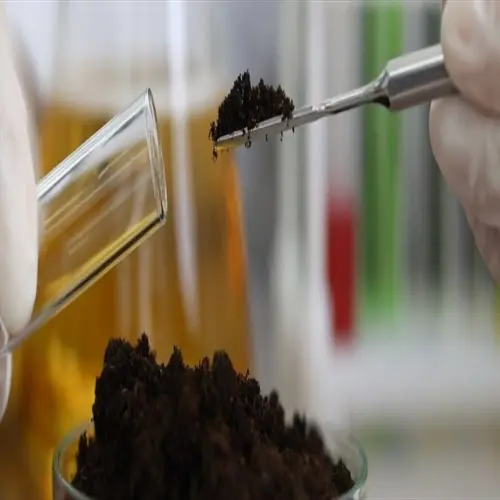

Your tree root system structure depends on three main factors that you need to know about. Soil conditions come first, then genetics, and then oxygen levels in your ground. These three things shape how your tree's roots grow and spread beneath every tree you plant in your yard.
I worked on tree planting jobs for years and saw this play out in real time. Trees we put in heavy clay soil grew flat roots that hugged the surface and spread wide. The same species planted in sandy loam sent roots deeper into the ground with a different pattern. Their root architecture looked nothing alike even though we planted them on the same day. You would never guess they came from the same nursery if you saw them side by side.
My second planting project taught me even more about how your soil affects your trees. We moved fifty maples from a nursery with loose soil to a site with compacted fill dirt. Every single tree changed its growth pattern within two years. Roots that once went down started growing sideways instead. This showed me that your soil matters more than the species you pick for your yard.
Oxygen is the hidden factor that forces your tree's roots to stay near the surface. Your trees need air for their roots just like you need air to breathe every day. The top 60cm (24 inches) of soil holds the most oxygen for your trees to use. Below that depth, oxygen drops fast and your roots struggle to survive down there. This is why your roots spread outward rather than downward in most soils you find.
UK Forest Research backs this up with solid data that you can trust for your planning. Their studies show that 80-90% of all tree roots stay in the top 60cm of soil. This pattern holds true across almost every species they tested over the years. The image of deep taproots reaching far down into the earth? It only applies to a few species in perfect conditions. Most of your trees build wide, flat networks that you can't see from above ground.
Your root system development changes as your tree ages and grows bigger over the years ahead. Young trees focus on anchor roots close to the trunk first. As your tree matures, it sends lateral roots outward in all directions around the trunk. These can extend several times beyond the canopy width you see above ground. The spreading roots form a framework that holds your tree up and pulls water from a huge soil area beneath your lawn.
Genetics set the starting point for how your tree wants to grow its roots in your ground. Some species spread out fast while others stay more compact by nature. But your soil often overrides genetics in ways that surprise most people who plant trees. A species known for deep roots will grow surface roots in hard or wet soil. Your tree changes its tree root formation pattern based on what it finds below ground in your yard.
You can put this knowledge to work when you plan your landscape design this season. Heavy clay soil means your roots will spread wide and stay near the surface level. Pick planting spots that give your tree's roots room to expand without hitting your house or pipes. Sandy soils let your roots go a bit deeper but the spread pattern stays similar overall. Match your soil type to tree species that do well in those conditions and you avoid many common problems that cost money to fix down the road.
Read the full article: 7 Essential Facts About Tree Root Systems