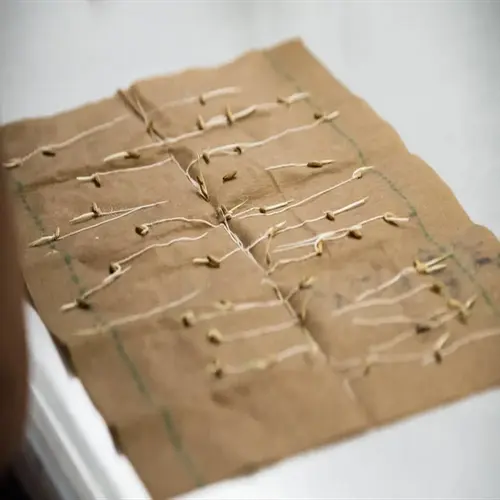

Plants have six primary seed dispersal methods to spread their offspring. These are wind, water, animals, ballistic pods, gravity, and human transport. Each method works best in certain places and conditions.
When I first started studying plants, I noticed the many seed dispersal types during an autumn walk in my local park. Dandelion fluff drifted past my face while maple seeds spun down from above. By the time I got home, burrs covered my socks. My dog's fur held dozens of sticky seeds too. That walk showed me four methods in action.
Each method evolved based on where plants grow. Seeds on windy peaks have tiny parachutes to catch the breeze. Trees in dense forests make tasty fruits that animals want. About 60% of alpine plants use wind. Meanwhile, 50-90% of tropical trees rely on animals instead.
Wind Dispersal
- Flight gear: Seeds have parachutes, wings, or feathery plumes that catch air and float far.
- Common plants: Dandelions, maples, elms, and milkweed all use wind to move their seeds around.
- Best places: Open areas with steady breezes work best for this light and airy approach.
Animal Dispersal
- Inside transport: Animals eat fruits and drop seeds far away in their waste with fertilizer.
- Outside transport: Burrs and sticky seeds grab onto fur, feathers, and clothes for a free ride.
- Why it works: Animals can carry seeds miles away to spots with less crowding from siblings.
Water Dispersal
- Floating seeds: Waterproof coats and air pockets let seeds drift across streams and oceans.
- Famous example: Coconuts float for months across open water to reach distant shores.
- Wetland plants: Water lilies and mangroves evolved just for this aquatic travel style.
Ballistic Ejection
- Explosive pods: Seed pods build up tension as they dry and then snap open with force.
- Speed records: Dwarf mistletoe shoots seeds at 95 km/h while sandbox trees reach 14 meters.
- Garden plants: Touch-me-nots, violets, and peas all pop their pods when ripe.
Gravity Dispersal
- Simple drop: Heavy seeds fall straight down and roll short distances on slopes.
- Big payoff: Large seeds pack more food for baby plants but cannot travel far alone.
- Needs help: Many acorns and nuts need animals to carry them further from the tree.
Human Transport
- Hitchhikers: Seeds stick to your shoes, car tires, and luggage as you travel around.
- Global reach: You can move seeds across the world in days rather than centuries.
- Watch out: This method spreads both helpful plants and harmful weeds to new areas.
You can figure out how any seed travels by looking at its shape. Wings or fluff mean wind travel. Hooks, barbs, or sticky surfaces grab onto passing animals. Fleshy coatings attract birds and mammals that eat the fruit. Heavy seeds without special features just fall and need help.
Try this fun exercise in your own garden or a nearby park. Pick up fallen seeds and sort them by how they likely travel. You will start seeing patterns once you know what to look for. The many ways seeds spread show just how creative nature can be.
Your backyard holds more seed travel stories than you might think. Take a close look at the plants around your home. You will find flying seeds, sticky seeds, tasty seeds, and heavy seeds all in one small space. Each one uses a different trick to reach fresh ground.
When you understand these six methods, you can predict which plants will pop up where. Wind-blown seeds land in open spots away from trees. Animal-spread seeds grow near perches and along fence lines. Water seeds follow streams downhill to lower ground. Knowing these patterns helps you plan your garden and spot weeds before they spread.
Read the full article: 6 Key Seed Dispersal Methods Explained