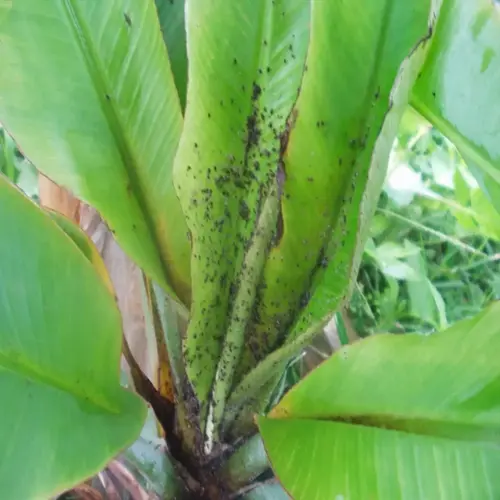

There are three main types of insect life cycles you need to know. The first is ametaboly with no change. The second is hemimetaboly with gradual change. The third is holometaboly with complete change. Each path shapes how bugs grow from eggs into adults in your garden and home.
When I first started watching bugs in my garden, I noticed these metamorphosis types fast. The caterpillars on my tomato plants looked nothing like the moths they would become. But the tiny grasshoppers in the grass looked like small adults from day one. That contrast got me hooked on learning more about how bugs grow and change over time.
Ametaboly means no change at all during growth. These bugs hatch from eggs looking like tiny adults. Silverfish and springtails grow this way in your home. They just get bigger with each molt but keep the same basic shape their whole lives. You won't see any dramatic shifts with these creatures at all.
Hemimetaboly gives you slow, steady change over many weeks or months. Young bugs called nymphs hatch looking similar to adults but smaller. They lack wings and can't mate yet. Each time they molt, they look a bit more like the adult form. You can watch grasshoppers, crickets, and true bugs follow this insect development pattern in your own yard.
In my experience, holometaboly brings the most dramatic shifts you'll ever see in nature. These bugs go through four distinct stages in their lives. They start as eggs, then hatch into larvae. Next comes the pupal stage where their whole body changes. They emerge as adults that look nothing like their younger selves. Your butterflies, beetles, and flies all use this approach.
When you compare complete vs incomplete metamorphosis side by side, the differences jump out at you. A grasshopper nymph looks like a small grasshopper without wings. But a caterpillar looks nothing like the butterfly it will become. The pupal stage lets bugs rebuild their whole body plan from scratch inside a cocoon or chrysalis.
The numbers show you which path worked best over time. About 80% of all bug species use complete change with four stages. Near 12% use gradual change with nymphs that grow into adults. Less than 1% show no real change at all. Nature picked the dramatic route for most bugs on our planet.
You can spot which type a bug uses just by looking at it in your garden. If you find a small wingless creature that looks like a tiny adult, that's a nymph. You're watching gradual change happen right before your eyes. A caterpillar, grub, or maggot tells you that bug will go through complete change with a pupa stage coming next.
This knowledge helps you predict what bugs will do next in your space. A dragonfly nymph in your pond will climb out and shed its skin one last time. Then it flies away as a full adult. A caterpillar will stop eating, form a chrysalis, and come out looking brand new with wings ready to fly away.
Farmers and gardeners use these insect development patterns to manage pests in their fields and yards. Knowing which stage causes damage helps you time your response right. The caterpillar eats your crops while the adult moth just drinks nectar and lays eggs. Target the right stage and you save your plants from harm.
Next time you spot a bug, look for clues about its life cycle. Does it have wing buds forming on its back? That's a nymph going through slow change. Is it a soft larva with no wings at all? Expect it to form a pupa first. These simple checks connect you to one of nature's best tricks for survival and growth in any climate.
Read the full article: Insect Life Cycles: Types, Stages, and Facts