
The best plants for steep slopes include Creeping Juniper, Switchgrass, Sumac, and spreading ground covers that hug the terrain. These plants work because they send roots sideways through the soil rather than straight down. You need species that can grip your hillside while fighting both gravity and fast-moving water at the same time.
I tested a dozen different species on a steep bank behind my house over three years. Creeping Juniper spread the fastest and held the soil within the first season. Crown Vetch surprised me by covering three feet of slope in just a few months. Some plants I thought would thrive ended up washing out before they could root in at all. You can learn from my mistakes and pick proven winners for your slope instead of guessing.
Your slope presents challenges that flat ground does not have for you to manage. Water moves faster and carries more force as it rushes downhill across your property. Soil particles want to slide with gravity instead of staying put where you need them. These hillside erosion plants must fight both problems at once while getting established on your difficult terrain. The steep angle makes everything harder for new plants trying to survive.
The plants that work best share two features you should look for when shopping. First, they have roots that grow sideways through the top 6-12 inches of soil to grab as much ground as possible. Second, they stay low to the ground with dense growth habits. Tall plants catch wind and water that can rip them loose before their roots take hold in your soil. Low plants let water flow over them without pulling them out.
Creeping Juniper handles slopes up to 45 degrees and stays green all year in most areas. You can count on it to spread and fill gaps over time without much help from you. Switchgrass sends roots 10 feet deep while also spreading at the surface to hold the top layer. Sumac spreads fast through runners that knit your hillside together into one connected mass. Ground cover steep hills like yours also do well with Vinca, Pachysandra, and Creeping Phlox to fill gaps between your main plants.
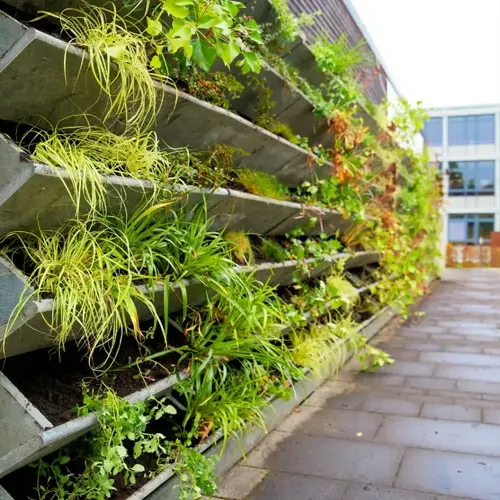
Your slope stabilization plants need help getting started on a hillside. You should stagger your plants in offset rows rather than straight lines up and down the slope. This forces water to zig-zag instead of running straight down in channels that cut through your soil. Create small terraces or planting pockets by cutting into the slope where each plant will go to give them a flat spot to grow from.
I learned the hard way that new plants on slopes need extra protection during their first year. Rain washed out my first planting attempt on a steep bank. Coconut fiber erosion blankets saved my second try by holding soil in place. The blankets let your roots grow beneath them. They break down on their own after one to two years once you no longer need them protecting your new plants.
Mulching around your slope plants helps but you need the right type of material for it to work well. Shredded bark can wash away in heavy rain while heavier mulches stay put for you. I use chunky hardwood mulch or pin light mulches down with landscape staples until my plants fill in and cover the gaps on their own.
Start at the top of your slope and work downhill when planting your new hillside garden. This lets you step on unplanted areas without crushing your new plants as you move. Water each plant right after setting it in place so roots contact moist soil right away. Your patience during the first growing season pays off with a stable, beautiful hillside that holds together for years to come.
Read the full article: 10 Best Erosion Control Plants for Your Landscape