
The signs poor succulent soil shows up in several clear ways you can spot early. Soil that stays wet past seven days holds too much moisture. Mushy lower leaves, foul smells, and visible mold all point to drainage problems. Catching these signs fast gives you the best chance to save your plant.
I lost my prized echeveria to root rot before I learned to read these warning signs. The soil looked fine on top but stayed damp for weeks at a time. By the time the lower leaves turned soft and yellow, the roots had already rotted through. That painful lesson taught me to check my soil more often.
The bad succulent soil symptoms each point to different problems with your mix. Slow drying means too much organic matter that acts like a sponge. A sour or rotten smell comes from bacteria growing in wet airless conditions. White crust on the soil surface shows salt buildup from water that can't drain away.
Soil drainage problems cause about 70% of all succulent deaths according to growers who track these numbers. The roots can't get air when soil stays wet too long. Without oxygen, root tissue dies and fungus moves in fast. Most plants show no signs above ground until the damage below has spread too far.
Watch for soil that pulls away from the pot edges when it dries out. This gap forms when old organic matter shrinks up after losing moisture. Water then runs down the gap instead of soaking through the soil mass. Your roots stay dry even though you just watered because the liquid never reached them.
When I first spotted this gap problem in one of my jade plants, I thought more water would fix it. I soaked the pot three times in a row to get the soil wet again. This only made things worse since the soil had become waterproof. The plant needed fresh gritty mix, not more water.
Mold on the soil surface screams that your mix holds moisture way too long. Those fuzzy white or gray patches grow fast in damp dark conditions. The mold itself won't kill your plant but the wet soil beneath it will. Scraping off the mold does nothing to fix the real soil drainage problems causing it.
Act fast when you spot any of these bad succulent soil symptoms in your pots. Pull the plant out and check the roots for soft brown spots. Cut away any damaged tissue with clean scissors. Let the plant dry for a day or two before putting it in fresh gritty mix.
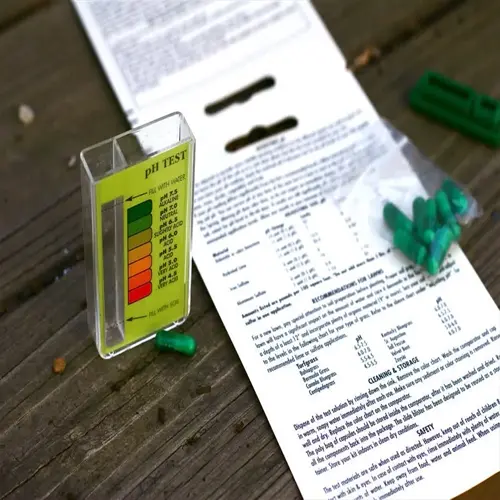
Test your soil before you see problems to catch issues early. Water your plant and time how long the soil takes to dry out. Stick your finger in after three days to check moisture levels deep down. Soil that still feels wet needs more grit added to speed up drying.
Good drainage prevents all of these problems from ever starting. A proper gritty mix lets water flow through fast and air move back in right after. Your roots get moisture when you water and oxygen as the soil dries. This simple cycle keeps succulents healthy for years with few problems.
Read the full article: Ultimate Succulent Soil Mix Guide