
The best beginner-friendly edible landscaping projects start small and teach you skills before you commit to big changes. A few herbs in pots or one fruit tree builds your confidence without risking much time or money. These easy edible garden projects let you learn what works in your yard before you go bigger with more plants.
I always tell new gardeners to start with herbs because they forgive almost every mistake you can make as a beginner. Herbs grow in small spaces and need less perfect conditions than tomatoes or peppers do. You harvest them right away and use them in your cooking that same day. That quick reward keeps you excited to grow more.
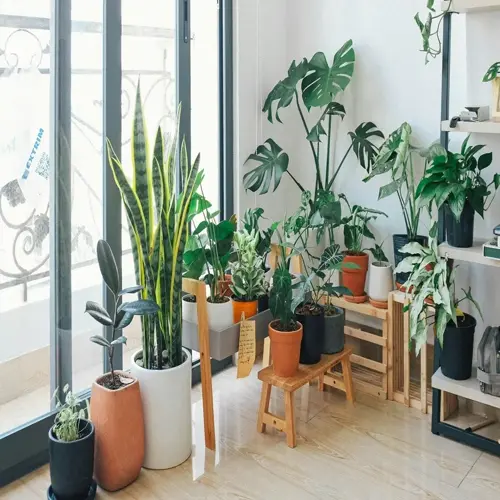
A starter food garden of just three to five herb plants in pots teaches you watering, sunlight, and harvest basics. Try basil, mint, rosemary, chives, and parsley as your first picks since these grow fast and taste great. Each one has different needs so you learn how plants behave in your space over time.
Illinois Extension suggests you align your plant choices with what you cook at home every week. There is no point growing cilantro if you hate it or hot peppers if spice makes you sweat. Pick plants you know you will eat and enjoy so your harvest does not go to waste. This keeps gardening fun instead of feeling like a chore.
A strawberry border makes one of the prettiest beginner projects for your front yard or garden edge. Plant a row of strawberry plants along a walkway or bed edge and watch them fill in over time. The white flowers in spring look great and the red berries in summer make your neighbors jealous. Kids love picking them too.
When I started my first food garden I planted just one cherry tomato in a pot on my sunny porch. That single plant gave me more tomatoes than I could eat all summer long. I learned how to water, stake, and prune from that one plant before I tried growing ten more the next year. Start small just like that.
A single fruit tree fits most yards and gives you decades of food with very little work each year once it grows. Dwarf apple or pear trees work great for first-time fruit growers. They need minimal pruning to produce good fruit. Plant one tree this year and add another next year once you see how much you enjoy the harvest.
Three blueberry bushes planted together make a perfect beginner fruit project for your yard. Plant two or more types near each other so they can pollinate one another. Three bushes give you good coverage. They look nice as a hedge and turn red in fall for pretty color. You get berries every summer for years.
Progress from containers to ground beds to full landscape design over a few years as your skills grow. Each step teaches you something new without the cost of expensive mistakes. A failed pot of basil costs a few dollars while a failed orchard costs thousands. Build up slow and save yourself the pain of big failures.
Your simple edible landscape gets bigger and better each year as you gain confidence in your growing skills. That first herb pot leads to a tomato plant, then a berry bush, then a fruit tree, then a full front yard of food. Every gardener started where you are now. Just take the first small step and the rest follows from there.
The key is to pick one project and do it well this season rather than trying to do everything at once. A successful herb garden this year gives you the skills and drive for a bigger project next year. You learn more from small wins than from big failures. Start with something simple today and grow from there.
Read the full article: 10 Essential Edible Landscape Design Tips