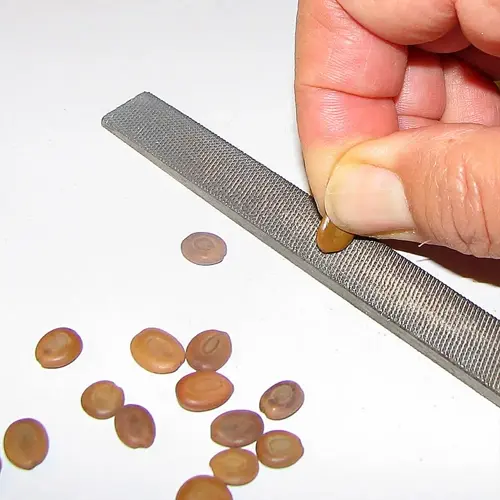

Soaking seeds before stratification helps many species but is not always needed. Large seeds with hard coats benefit most from a good soak. Small seeds and those with thin skins often do better when you skip this step. The type of seed you have tells you whether to soak or go straight to cold.
I tested this myself with a batch of morning glory seeds split into two groups. One group got a 24-hour soak in room temp water before going in the fridge. The other group went straight into cold storage dry. The soaked seeds plumped up fast and sprouted about ten days earlier than the dry batch when I planted them in spring.
Water uptake during sprouting happens in three phases. The first phase is rapid and can take hours or days depending on your seed coat. Pre-soak seeds germination starts faster because you finish phase one before cold treatment. Hard-coated seeds like lupines and sweet peas need this head start to get water past their tough outer shells.
A seed hydration treatment lets water seep through the coat and wake up the embryo inside. This softens the outer layer and preps your seed for hormone changes that cold brings. Seeds that soak up water before going cold sprout better. They enter the fridge already primed and ready to respond when you plant them later.
Soak These Seeds
- Morning glories: These have very hard coats that block water. A 12-24 hour soak makes a big difference in how fast they sprout for you.
- Lupines and baptisia: Large seeds that need help to soften seed coat tissue before cold treatment can do its work on their dormancy.
- Sweet peas and beans: Any seed bigger than a pea usually gains from soaking since thick coats slow water entry by several days.
Skip Soaking For These
- Poppies and foxgloves: Tiny seeds that clump together when wet and become very hard for you to handle during setup.
- Basil and chia: These form a gel coating when wet that blocks oxygen and can cause rot during long cold storage for you.
- Very old seeds: Weak seed coats break down too fast when soaked and the embryo inside can drown before stratification even starts.
Use room temperature water for soaking and change it every eight to twelve hours if you soak longer than overnight. Seeds release compounds into the water that can promote mold growth. Fresh water keeps things clean and gives your seeds the best start. Never use hot water since heat can kill the embryo inside.
I once made the mistake of soaking poppy seeds overnight before putting them in the fridge. They turned into a sticky mess that was impossible to spread on my paper towels. Half of them clumped together and molded during cold storage. Now I only soak seeds that are bigger than a lentil and have a hard shiny coat you can see.
Check your seeds after 12 hours of soaking to see if they have plumped up. Seeds that have absorbed enough water will look fatter and may show small cracks in their coat. If they still look dry and hard, let them soak up to 24 hours total. Any longer than that risks drowning the embryo inside.
You can also do a simple sink test while your seeds soak. Seeds that float after 12 hours are often empty or dead inside. Seeds that sink have filled with water and are ready for cold treatment. Remove any floaters and toss them since they will not sprout no matter what you do with them next.
Read the full article: How to Stratify Seeds: Ultimate Methods Guide