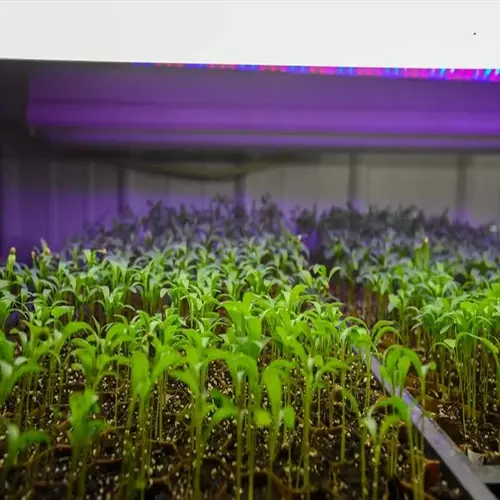

Your watering after transplanting schedule starts with daily watering for the first week. Then you can drop to every other day during week two. By week three, your plants can handle watering just 2-3 times per week as roots grow into the surrounding soil.
I made both mistakes when I started gardening years ago. Under-watered tomatoes wilted flat in the afternoon sun but bounced back after a deep soak. Over-watered peppers turned yellow and dropped leaves due to root rot from soggy soil. Finding the balance took practice and close attention.
New transplants can't pull water well because their roots haven't spread yet. Those small root balls sit in a limited soil zone that dries out fast. It takes 7-14 days for roots to grow out into the garden bed where they can tap into deeper moisture. Until then, frequent light watering keeps roots happy.
Purdue suggests giving each plant about 8 ounces (237 ml) of diluted starter solution right after planting. This waters in the transplant and feeds roots to boost early growth. Keep soil moist but not soaked during those first critical days as roots work to get set up in their new home.
Follow this transplant watering schedule for the best results. Week 1: Water daily with 8-16 ounces (237-473 ml) per plant in the morning. Check soil in the afternoon and water again if the top inch feels dry. Week 2: Drop to every other day watering with the same amount per plant.
Week 3 and beyond: Your post-transplant irrigation can shift to 2-3 times weekly with deeper soaking each time. Roots have spread out now and can pull water from a larger soil zone. Give each plant 1-2 cups at a time so water reaches deeper roots.
Use the finger test to know how much water new transplants need each day. Poke your finger 2 inches into the soil near plants. If soil feels dry at that depth, water right away. If soil feels cool and damp, wait until tomorrow and check again before watering.
Morning watering works best for transplants in most gardens. Leaves dry before evening which cuts down on fungal disease. Plants have moisture ready when hot afternoon sun hits. I water at 7 am before the day heats up and rarely deal with blight or mildew problems.
Watch your plants for signs of watering problems. Wilting in afternoon that recovers by morning means plants need more water. Yellow leaves with soggy soil point to over-watering and possible root rot. Adjust your schedule based on what your specific plants and soil conditions tell you each day.
Read the full article: When to Transplant Seedlings: Ultimate Guide