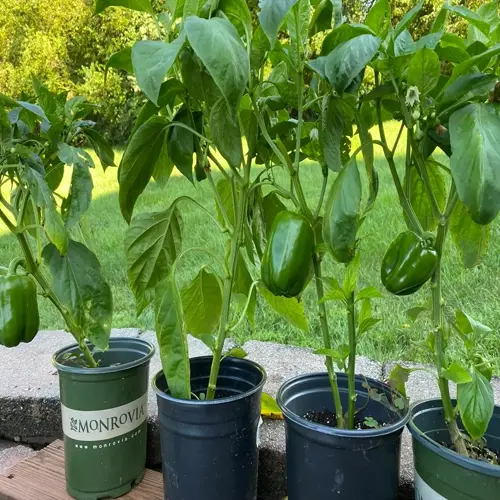

The ideal sunlight for container spinach ranges from 4 to 6 hours of direct light each day. Unlike tomatoes and peppers that crave full sun, spinach grows well with less. In fact, too much sun causes problems for this leafy green that many gardeners overlook.
The spinach light requirements are lower than most vegetables need. Maryland Extension says spinach does well with just 4 to 6 hours of direct sun. This makes spinach a great pick for balconies and patios where other crops would struggle.
I grow spinach on my north-facing balcony that gets only 5 hours of morning sun. My plants thrive in this spot that would be too dark for most crops. The leaves grow large and tender without any problems from low light. Moving the containers to a sunnier spot caused more issues than the shade ever did.
Too much sun triggers bolting in spinach faster than heat alone. Long sunny days signal the plant to shift from making leaves to making flowers and seeds. This happens because spinach evolved in cooler climates with shorter days. Partial shade spinach stays productive longer since less light delays that natural switch.
Morning sun works better than afternoon sun for most spinach growers. The gentler morning light warms the soil and powers growth without stressing plants. Afternoon sun brings more heat which can push spinach toward bolting. Position your containers where buildings or trees block the harsh western sun during summer months.
Container gardeners can move pots to manage the hours of sun spinach needs through the seasons. Spring plantings handle more direct light since days are shorter and temps are cool. Summer containers need more shade to prevent bolting during long hot days. This is a big plus that container growers have over fixed garden beds.
Watch your spinach for signs of too much or too little light. Plants that stretch tall with small pale leaves need more sun. The stems get leggy as leaves reach toward light sources. Spinach that bolts fast or develops yellow leaves may be getting too much direct sun. Healthy plants grow compact with large dark green leaves.
Shade cloth helps in hot climates where afternoon sun is hard to avoid. A 30% to 40% shade cloth hung over your containers filters light without blocking it. This simple tool can extend your growing season by weeks in hot southern states. I use one from June through August and it keeps my spinach producing all summer long.
Indoor growing works too if you provide enough light from windows or lamps. South-facing windows give the most light for winter growing without artificial help. LED grow lights set for 10 to 12 hours per day produce good spinach when natural light falls short. Keep lights close to plants at about 6 inches away for best results.
Track how your spinach responds to light levels in different spots around your home. Each spot has unique conditions based on nearby buildings, trees, and the path of the sun. Finding your best growing spots takes some testing but pays off with better harvests.
In my experience, spinach grows best when you match light levels to the season. Give plants more sun in cool spring and fall weather when bolting risk stays low. Move containers to shadier spots as summer heat arrives. This simple shift lets me grow spinach almost year round by working with the sun instead of fighting it.
Reflective surfaces near your containers can boost light levels without adding heat. White walls and light colored patios bounce sunlight onto plants from below. This extra light helps spinach in shady spots grow fuller leaves. Just watch that you do not create a heat trap by placing containers in corners where reflected light builds up too strong.
Read the full article: How to Grow Spinach in Containers Successfully