
The space edible landscapes require can be as small as a few pots on a balcony or as large as acres of land. Any size works when you match your plants and methods to your available area. Even a 10 by 10 foot (3 by 3 meter) space can grow enough food to make a real difference in what you eat.
I grew my first small space edible garden on a tiny patio outside my apartment years ago. I had just 100 square feet (9 square meters) of concrete to work with and no ground at all. Containers and vertical trellises let me grow tomatoes, peppers, beans, and herbs. That small space fed me fresh food for months every summer.
NC State Extension offers three design models based on how much of your yard you want to convert. A 15% model sprinkles edibles among your normal plants for a subtle touch of food. A 50% model mixes food and ornamental plants equally. A 90% model turns almost your whole yard into a productive food forest.
Your edible landscape size can start small and grow over time as you gain skills and confidence. Convert one bed to food plants this year and see how it goes for you. Add another bed next year if you want more fresh produce on your table. This approach keeps you from getting overwhelmed before you learn the ropes.
Dwarf fruit trees make small yards work just as well as big ones for growing tree fruit at home. These compact trees reach just 6 to 8 feet (1.8 to 2.4 meters) tall at full size. You can grow them in large containers on patios and decks. One dwarf apple tree in a pot can give you 50 apples or more each fall.
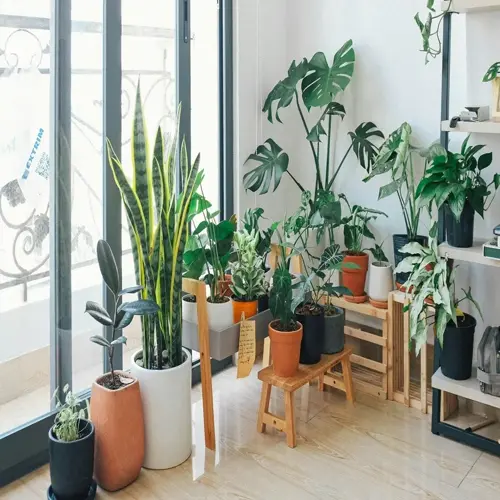
Container edible landscaping opens up spaces that have no soil at all for growing food. Balconies, rooftops, and paved patios all work when you use pots and planters of the right size. Self-watering containers cut your watering time in half. A 5 gallon (19 liter) bucket grows one tomato plant just fine for a whole season.
When I moved to a house with a real yard I kept my container skills and added them to my new space. My tomatoes still grow in pots on my sunny deck where they get more heat than in the ground beds. In my experience containers let you move plants around to chase the sun or hide from frost when you need to.
Vertical growing multiplies your space by going up instead of just out across the ground surface. Pole beans climb trellises and give you more food per square foot than bush beans ever could. Vining cucumbers and squash grow up strings or cages to save ground space. A 6 foot (1.8 meter) tall trellis holds pounds of produce.
Intensive planting fits more plants in less space by skipping the wide rows of old farm methods used in the past. Plant in blocks or wide beds instead of single rows with paths between them. Space plants at the distance for in-row spacing and skip the wide between-row gaps. You grow twice as much food in the same area.
Succession planting uses time to squeeze more food from your available space each growing season. When you harvest one crop plant the next one right away in that same spot. A single bed can grow peas in spring, beans in summer, and greens in fall. Your space produces three times as much food as a one-crop bed does.
The truth is that space does not limit you as much as you might fear before you start. Even the smallest yard or patio can grow real food when you use these smart methods. Start with whatever space you have and maximize it with containers, trellises, and tight spacing. You will eat better food and save money no matter how small your growing area is.
Read the full article: 10 Essential Edible Landscape Design Tips