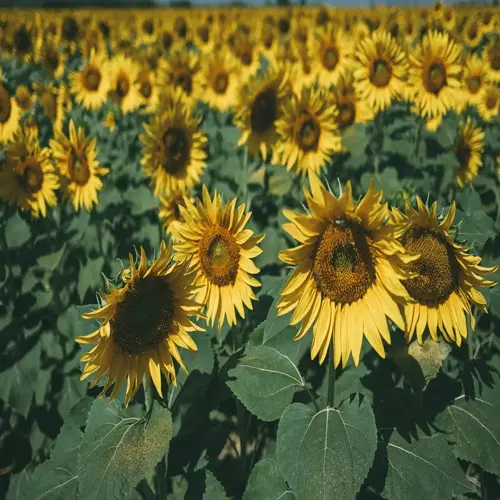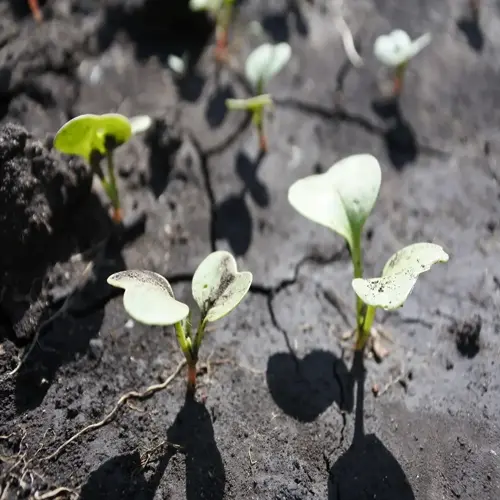

How long wildflowers bloom after planting depends on whether you grow annuals or perennials. Annual species flower in 60-90 days from seed and die after one season. Perennials take 1-3 years to reach full bloom because they build root systems first. Mix both types together for color every year while your meadow matures.
I kept detailed notes on my meadow over three growing seasons to see how bloom timing works. Year one brought lots of annual flowers from the mix with just a few perennial blooms scattered in. Year two showed more perennial color as root systems grew stronger underground. By year three, the perennials took over with waves of blooms from spring through fall. The wait was worth it for that third year show.
Annual wildflowers race to complete their whole life cycle in one growing season. They sprout, grow, bloom, make seeds, and die before winter arrives. This fast pace means you get flowers just weeks after planting in warm soil. Cosmos, zinnias, and bachelor buttons all bloom within 8-10 weeks of sprouting. These quick bloomers fill your meadow with color while perennials build strength below ground.
Perennials take a slower path by investing energy in roots before blooming. A strong root system helps the plant survive drought, cold, and competition from other plants. First year perennials often stay small with just a few leaves above the soil. All that growth happens underground where you cannot see it. This root first approach pays off with bigger plants and more flowers in later years.
Research by Williams and colleagues found something that surprised the garden world. Some perennials can bloom in their first year if conditions line up just right. Early planting, warm weather, and steady moisture can push certain species to flower ahead of schedule. Black-eyed Susan and purple coneflower both showed first year blooms in their study. Do not count on this surprise but enjoy it when it happens.
Wildflower bloom time shifts through the seasons as different species take their turn. Early spring brings the first color from species that grew roots over winter. Summer heats up with peak blooming from the widest range of plants. Fall flowers close out the season with asters and goldenrod blooming into October. Plan your mix to include species that flower in each season for year round interest.
When do wildflowers flower also depends on where you live and local weather patterns. The same species might bloom in May down south but wait until July up north. Check bloom times listed for your USDA zone rather than general guides. Local native plant groups often share bloom calendars for your area. These regional guides help you pick species that flower when you want them to.
Build your seed mix with 30-50% annuals to cover that first year wait for perennials. The annuals will reseed themselves to some degree but fade as perennials grow larger. This gives you a natural shift from annual heavy in early years to perennial heavy later on. Keep some annual seeds on hand to scatter in bare spots each spring for fresh color.
When I first planted my meadow, waiting for perennial blooms tested my patience. That first year felt slow with mostly annuals showing color. But sticking with the plan paid off in ways I did not expect. Now I have a meadow that blooms stronger each year without replanting. The perennials spread on their own and fill gaps that used to need annual seeds to cover them up.
Read the full article: When to Plant Wildflowers: Ultimate Guide