
Most bugs in temperate climates complete their full insect life cycle duration in about one year. How long insects develop depends on species, food, and weather in your area. Some zip through life in days while others take decades to finish growing in your garden.
When I first started tracking bugs in my yard, I noticed fruit flies breeding fast. They went through multiple life cycles in one summer. One pair turned into hundreds within weeks right on my kitchen counter alone. Meanwhile, the cicadas in my trees took 17 years to emerge from underground where they fed on root sap the whole time.
Three main factors control insect development time in every bug you see around your home and yard. Temperature speeds things up or slows them down based on warmth in the air and soil. Food quality affects how fast bugs can grow between molts each season. And genetics set limits on the fastest and slowest each species can go no matter what.
Warm weather makes bugs grow faster while cold slows them down in your yard. A caterpillar that takes four weeks in summer might need eight weeks in cool spring conditions. Bugs can't control their body heat like you can. They depend on the sun and air around them to power their growth.
Scientists use degree days to predict when bugs will reach each life stage. This math counts heat units above a base temperature over time in your area. Add up enough warm days and you know when eggs will hatch or larvae will pupate. Farmers use this tool to time pest control sprays for maximum effect on their crops.
The insect lifespan variations you see in nature span an amazing range from short to long. Data from the University of Florida shows fruit flies finish life in just 8 to 14 days when conditions are good. At the other extreme, a beetle took 51 years to emerge from wood where it had been growing since it was an egg.
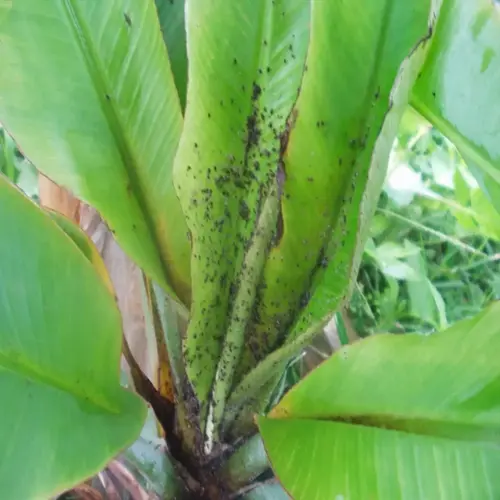
In my experience, most garden pests fall somewhere in the middle of this range each year. Aphids can complete a generation in about one week during warm summer months. Japanese beetles need a full year to go from egg to adult in your lawn. Tomato hornworms take six to eight weeks depending on how hot it gets in your area.
You can predict when pests will show up by tracking weather in your local area each season. Many extension services post degree day counts online for common pests in your region for free. Check these resources in spring to know when to start watching for the first adults in your yard. Early warning gives you time to prepare your response before damage starts on your plants.
Some bugs use the long game as their strategy for survival over time. Periodical cicadas stay underground for 13 or 17 years before emerging all at once. This floods predators with more food than they can eat, letting most cicadas survive to mate. The long wait protects the species even though each bug lives a short adult life.
Knowing insect life cycle duration helps you manage your garden and home better each season. Time your plantings to miss peak pest periods when possible in your area. Remove food sources before bug populations explode in your kitchen or pantry. The more you learn about bug timing, the easier it gets to stay one step ahead of them all year long in every space you care for.
Read the full article: Insect Life Cycles: Types, Stages, and Facts