
Most seeds viable in mason jars last between three and ten years when stored the right way. The exact time depends on the seed type and how well you prep them before sealing. Some hardy seeds push past a decade while others fade after just a few seasons even in perfect conditions.
I tested this with my own seed stash over several years. Tomato seeds from my garden stayed strong at 90% germination after five years in mason jars with silica gel. My lettuce seeds held up even better and still sprouted well after six years. But onion seeds dropped to nearly useless after just two years in the same setup. Each seed type has its own clock that you need to plan around.
Glass gives you a major edge over plastic for seed longevity glass jars because it blocks moisture better. Plastic lets tiny amounts of water vapor pass through its walls over time. Glass stops that exchange cold. Your seeds stay at the same moisture level you packed them at for years on end. The seal matters just as much as the jar itself for keeping that barrier tight.
Iowa State Extension puts out helpful numbers on how long each seed type lasts. Onion and parsnip seeds fade fast at just one to two years even with good storage. Most beans and peas hold for three to four years without trouble. Brassicas like broccoli and cabbage can push past five years when kept dry. Lettuce often surprises people by staying viable for six years or more in sealed jars.
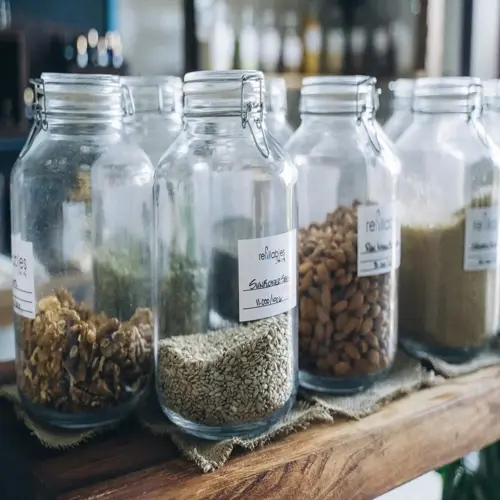
Your mason jar seed storage time depends a lot on what you do before sealing that lid. Start with bone dry seeds that snap when you bend them. Add a silica gel packet to pull out any stray moisture in the jar. Use jars with rubber gaskets that seal tight. Metal lids with rubber rings work great when screwed down firm. Skip the decorative jars with loose fitting tops that let air creep in.
The right lid makes or breaks your long term storage plan. Regular mason jar lids with new rubber seals work well for most home gardeners. Replace those seals every few years since rubber breaks down over time. Bail top jars with rubber gaskets seal even tighter and show you at a glance if the seal holds. Avoid any lid that wobbles or moves when you tap it.
Temperature and light also play into how long your jar seeds last. Keep your jars in a cool spot away from windows and heat sources. A basement shelf or back corner of a closet works well for most homes. Heat speeds up the aging process inside each seed. Light can warm the jar and trigger early sprouting in some cases. Dark and cool wins every time for long storage.
Run germination tests on older seeds before you count on them for your main crop. Take ten seeds from the jar and place them on a damp paper towel. Keep them warm for a week and count how many sprout. Multiply that number by ten to get your germination rate. This tells you whether to plant more seeds per hole or skip that batch for fresh stock.
Label every jar with the seed type, source, and date you packed them. This info helps you use older seeds first and know what to expect come planting season. A quick system like year and month codes works well for most gardeners. Check your jars once a year for any signs of moisture or mold. Well stored seeds in good jars reward you with years of planting stock from a single harvest.
Read the full article: 3 Essential Rules: How to Store Seeds