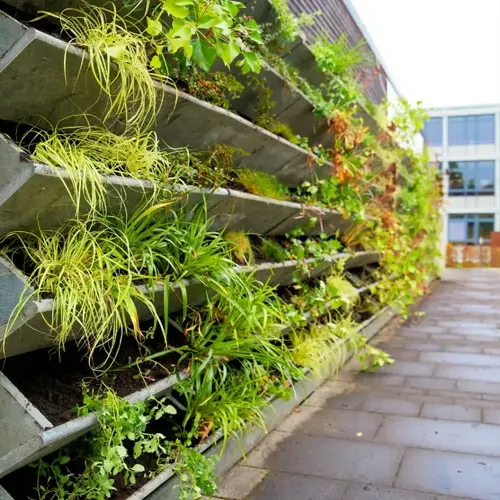

Plants prevent soil erosion through three mechanisms that work together to keep your dirt in place during storms. Their roots grip the soil like anchors while their leaves and stems slow down water before it can wash anything away. You get protection both above and below the surface when you add plants to problem areas on your property. This natural defense works better than most people expect.
I watched this process during a heavy summer downpour at a test site I maintained for two years. Water hitting bare ground turned brown within seconds as it picked up loose dirt and carved small channels. Just ten feet away, the same rain fell on a grassy area and ran off clear. The difference was dramatic and showed me how plants stop erosion in real conditions. You can see this same effect in your own yard after any hard rain hits.
The science behind root systems erosion control starts underground where you cannot see it happening. Plant roots weave through soil particles and bind them into stable clumps that resist washing away. A single grass plant can produce hundreds of feet of fine roots that spread through the top layer of earth like a net. These roots hold everything tight and give your soil the grip it needs to stay put during storms. The binding effect gets stronger as roots grow and spread wider each season.
Your plants provide vegetation soil stabilization above ground through two more ways that matter for your yard. First, leaves and stems break the impact of falling raindrops before they hit bare ground. Raindrops strike the earth at speeds up to 20 miles per hour and can blast soil particles loose on impact. Plant foliage absorbs that energy and lets water drip down gently to your soil surface instead of pounding it.
The second above-ground way involves stems slowing water flow across your property. When rain runs across the ground, plant stalks act like tiny speed bumps that force water to spread out and move slower. Slower water carries less soil because it lacks the energy to pick up and transport heavy particles. You can see this effect clearly when water flows through thick grass compared to rushing across bare dirt patches.
Oklahoma State research shows just how well these effects work in practice. Vegetated areas allow only 10-20% of rainfall to run off the surface. Bare soil in the same conditions loses 60-70% as runoff carrying your topsoil away. Plants cut erosion runoff by roughly 80% compared to exposed dirt. These numbers held true across different soil types and rainfall amounts in their studies.
I saw these numbers play out on my own property after planting a steep bank that had washed out twice before. Within one growing season, the gullies stopped forming and my soil stayed where I put it. The root mass from just six months of growth made all the difference for that problem spot. My neighbors noticed the change and started asking what I had planted there.
Not all roots work the same way for your specific erosion problem though. Fibrous spreading roots that stay in the top 12-18 inches of soil beat deep taproots for holding the surface layer together. Grasses and ground covers with dense, matted root systems bind more soil per square foot than trees or shrubs with single deep roots. You want plants that fill the soil with fine roots rather than sending one big root straight down.
For the best results on your property, pick species with spreading root habits and leave no bare ground exposed between your plants. Space them close enough that they will touch when mature. This creates a complete root network under the surface and a full canopy above to catch rain before it hits your soil. Your erosion problem will shrink fast once this living armor gets established.
Read the full article: 10 Best Erosion Control Plants for Your Landscape