
To choose erosion control plants that work for your property, you need to match them to your specific conditions. Start by looking at your sun exposure, soil moisture, slope angle, and the type of erosion you face. The right plants for your neighbor may fail on your land if conditions differ.
In my experience picking plants for a tough site, I had to consider several factors at once. My slope faced south and baked in full sun all day during summer. The soil drained fast after rain and dried out within hours. I needed plants that could handle heat, drought, and a steep 30-degree angle all at once.
Start your erosion plant selection guide by noting how much sun your problem area gets each day. Full sun spots need different plants than shady areas under trees on your property. Most erosion control grasses want six hours or more of direct sun to thrive and spread well.
Check how your soil handles water to select plants erosion type problems will respond to on your land. Sandy soil drains fast and needs drought-tough plants that do not mind dry feet. Clay soil stays wet longer and can rot the roots of plants that need good drainage to stay healthy.
Your slope angle limits which plants can grab hold and stay put on your property. Gentle slopes under 15 degrees can support most erosion control species you might choose. Steep slopes above 30 degrees need plants bred specifically for hillside conditions with strong roots.
Think about what type of erosion you see on your slope right now. Sheet flow spreads across the surface in thin layers of water. Channels form where water collects and digs into the dirt. Sheet erosion needs dense ground covers while channel erosion needs deeper-rooted plants.
Oklahoma State research shows that mixing six to ten species creates the best erosion control. Some plants fill the surface while others root deep below the dirt. Different species handle wet and dry spots better. Your whole slope stays protected through rain and drought alike.
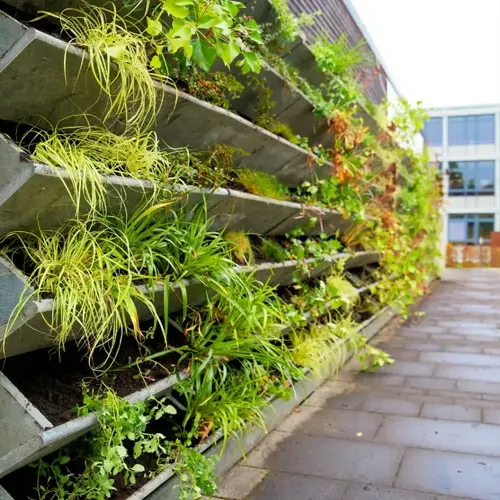
When I finished picking plants for my site, I chose eight species that worked together as a team. Low ground covers grabbed the surface layer of soil. Medium grasses sent roots several feet deep for anchoring. Taller shrubs broke the force of rain before it hit the ground below them.
Your local extension office can help with matching plants erosion problem sites in your region. They know which species grow best in your county. Most offer free or cheap soil tests that tell you what your site needs. The staff can answer your questions and point you to the right plants.
Take photos of your erosion problem and bring them when you ask for advice from experts. Show where water flows and how steep your slope sits on the land. The more details you share, the better their plant picks will match what you need to fix your specific erosion challenge.
Read the full article: 10 Best Erosion Control Plants for Your Landscape