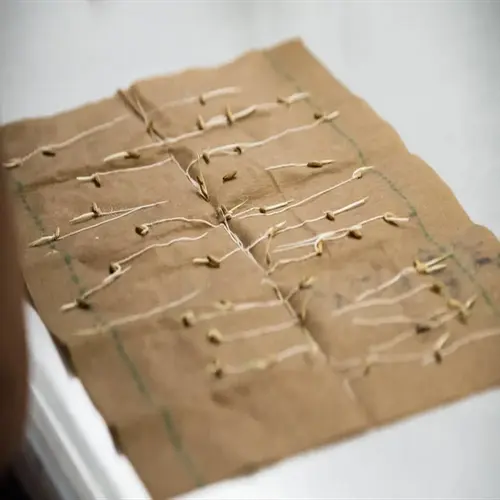

Humans unintentionally spread seeds every day through our clothes, shoes, cars, and bags. Scientists call this anthrochory. We move more seeds farther than any animal on the planet without knowing it.
I first noticed this when I found strange weeds growing in my yard after a camping trip. Checking my hiking boots, I found dozens of seeds stuck in the treads. Those seeds had hitched a ride from a mountain trail hundreds of miles away. You carry seeds home from every walk you take outside.
Human seed dispersal happens through many paths you might not expect. Seeds stick to your socks and pant legs when you walk through fields. They wedge into car tire grooves and travel down the highway. They hide in the mud on your shoes and drop off in new places. Even your luggage picks up seeds at airports and hotels.
The scale of human transport dwarfs what other animals can do. A deer carries about 500 seeds each day for up to 6.4 km (4 miles) as it wanders around. But you can carry that many seeds on a single pair of boots and fly them across the ocean overnight. We have become the most powerful seed movers the planet has ever seen.
Farm equipment moves seeds between fields all the time. Combine harvesters pick up weed seeds and drop them in the next field they visit. Tractors carry seeds in their wheel wells from one property to another. This explains why new weeds often show up after you hire someone to work your land.
In my experience, checking your gear after outdoor trips makes a real difference. I now brush off my boots and clothes before I get in the car. You should also look under your vehicle if you drove on dirt roads. A quick check can stop you from planting weeds in your own driveway.
Shipping containers spread seeds around the world at huge scale. Wood pallets carry insects and seeds from one country to another. Packing materials hold seeds that sprout months later. Your online purchases might bring more than what you ordered into your home.
You can help limit the spread of problem plants with a few habits. Clean your shoes before leaving parks and natural areas. Wash your car after off-road trips. Check camping gear for hitchhikers before you store it. These simple steps protect wild areas from invasive species.
Anthrochory shapes which plants grow where in the modern world. Cities and suburbs have similar weeds across different continents because we spread them. The plants along highways came from seeds that fell off passing cars. Every road and trail shows the mark of human seed dispersal if you know what to look for.
Read the full article: 6 Key Seed Dispersal Methods Explained