
Different insect life stages agriculture impacts vary based on what stage of growth the pest is in. The larval stage does most of the eating and damage to your crops. Adult bugs often just mate and lay eggs without harming your plants much at all. Knowing this helps you target your pest control efforts at the right time.
When I first started growing tomatoes in my backyard, I saw this pattern in action right away. The adult moths flew around at night and looked harmless enough to me. But their caterpillar babies ate through half my plants in just one week. The crop damage insect stages cause depends on what those bugs need to survive and grow.
Caterpillars and grubs must eat huge amounts to fuel their growth before they change form. A single tomato hornworm can strip a plant of its leaves in two to three days if you don't catch it. Beetle grubs in your soil chew through roots all season long without you ever seeing them above ground.
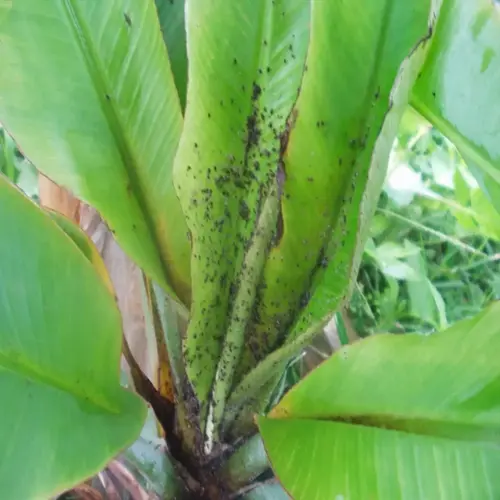
Adult bugs cause different kinds of damage that you should watch for on your crops. Some chew small holes in leaves but don't eat nearly as much as their young did before. Others pierce plant stems to drink sap which can spread disease from plant to plant in your field. The damage pattern tells you what stage you're dealing with at any time.
Smart farmers use pest management timing to hit bugs at their weakest point in the cycle. Eggs and young larvae die much easier than full grown adults with hard shells. You can wipe out a whole pest population if you spray or treat at just the right moment in their growth. Miss that window and you'll spend more money with worse results for your efforts.
Integrated Pest Management or IPM combines many tools to protect your crops from bug damage. You scout your fields to spot pests before they cause big problems for you. You use traps to track when adult bugs show up and start laying eggs in your area. Then you time your treatments to kill young larvae before they can do real harm to your plants.
Research from Purdue Extension shows that controls work best on the most vulnerable stage. You waste money spraying adults that have already laid their eggs in your fields. Those eggs will hatch and the damage will keep going despite your efforts at agricultural pest control. Target the right stage and you break the cycle for good in your operation.
Each pest has its own weak point that you can learn to target on your farm. Codling moth larvae die easy when you spray right after eggs hatch on your apple trees. Japanese beetle grubs in your lawn take damage from soil treatments in late summer or early fall. Aphid populations crash when you release predators before their numbers get too high.
You should track degree days to predict when pests will reach each stage in your area. Bugs grow faster in warm weather and slower when it's cool outside. Count the heat units and you'll know when eggs will hatch or when larvae will be big enough to cause harm. This lets you plan your response days or weeks ahead of time.
Start scouting your crops early in the season before any damage shows up in your fields. Check the undersides of leaves where bugs hide their eggs from view. Look for tiny caterpillars or grubs before they grow big enough to cause real trouble for you. The earlier you spot a pest, the easier and cheaper it is for you to control them.
Your success with pest control comes down to timing your actions to each bug's life cycle. Learn which stages cause damage and which stages are easiest to kill in your crops. Watch for adult bugs to show up, then treat before their young can eat your profits. This approach saves you money while keeping your crops healthy and productive all season long.
Read the full article: Insect Life Cycles: Types, Stages, and Facts