
Cold storage does not make refrigeration improve germination rates beyond what you started with. A seed that sprouts at 85% when fresh will still sprout around 85% after years in the fridge. What cold temps do is slow down the aging that would drop that number over time. Your fridge preserves quality rather than adding to it.
I put this to the test with bean seeds from my garden. Half the batch went into my fridge the day I harvested them. The other half stayed in a drawer at room temp. Both showed 92% germination right after harvest. After three years, the fridge seeds still hit 88% while the room temp seeds dropped to just 61%. Same starting point but very different outcomes.
The science behind cold storage germination comes down to metabolism and aging. Seeds are alive and burn through their energy reserves even while dormant. Cold temps slow this process to a crawl. Your fridge keeps seeds in a deep sleep where they use almost no energy. This lets them stay viable for years instead of months. But cold cannot add energy or fix seeds that were weak to start.
PMC research backs up what I found in my own tests. Their studies show that cold slows seed aging but cannot reverse damage. Seeds that have already started to decline will keep declining just slower in the cold. Old seeds with low germination stay that way no matter how cold you keep them. The best time to start cold storage is right after you harvest your seeds.
Some seeds need cold temps to break dormancy before they will sprout at all. This process called cold stratification tricks seeds into thinking winter has passed. Many perennial flowers, trees, and native plants fall into this group. These seeds need 30 to 90 days of cold moist conditions before planting. Regular fridge storage with dry seeds does something different for you.
You should know the gap between these two methods. Stratification uses moisture to wake seeds up. It happens right before you plant. Cold storage uses dryness to keep your seeds asleep for future use. You can do both in your fridge but not at the same time. Dry seeds in sealed jars get stored. Moist seeds in damp towels get stratified.
I also tested cold stratification with some native flower seeds last spring. The batch I chilled for 60 days in damp sand sprouted at 75%. The batch I planted without chilling barely made it to 20%. These seeds needed that cold period to wake up. Without it they just sat in your soil and did nothing at all.
Your refrigerator seeds sprouting success depends on how you handle the move to planting. Let your seeds warm up to room temp before you open the container. This stops moisture from forming on cold seeds. Take out only what you need and reseal the jar fast. Plant within a week of taking your seeds out of cold storage for best results.
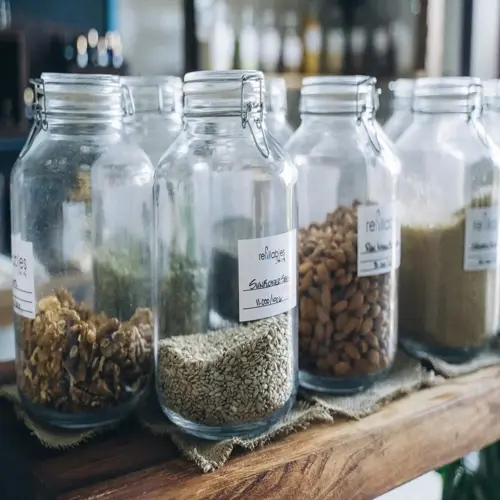
Set up your fridge storage the right way for the best results. Use airtight glass jars or sealed plastic boxes. Add a silica gel packet to keep moisture levels low. Store in the main part where temps stay steady around 35-40°F. Avoid the crisper drawer since it holds more humidity than your seeds need. Check your seeds once a year and run a quick germination test to know where you stand.
Read the full article: 3 Essential Rules: How to Store Seeds