
People often confuse organic certification soil health as the same thing. The label restricts what chemicals you can use. But it does not require high organic matter or healthy soil life. You can be certified organic and still have poor soil.
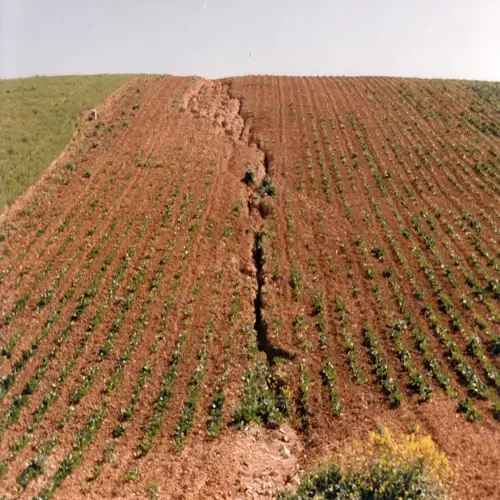
I saw this while visiting farms in my area last summer. One certified organic veggie farm tilled their fields each week for weed control. The soil looked pale and dusty. It crusted over after each rain. A regular farm next door used cover crops and no-till methods. Their soil was dark and full of earthworms.
The rules focus on what goes in, not what comes out. You can't spray certain chemicals. But the rules don't set any floor for organic matter levels. They don't require cover crops. They don't limit tillage. Many organic farming practices that earn the label still hurt soil over time.
Tillage causes the biggest problem on many organic farms. Without weed sprays, farmers often rely on plows to kill weeds. All that metal turning through soil exposes carbon to air. Microbes then burn through what took years to build. The soil organic matter organic farms start with can drop fast.
What builds healthy soil works the same on any farm. Cover crops add carbon and protect the surface. Less tillage keeps that carbon safe. Compost and manure feed the soil food web. These practices boost organic matter no matter what label you carry.
Some of the best soils I've tested came from farms with no organic label at all. They just focused on soil building for decades. They kept the ground covered year round. They brought in organic matter through animals or compost. Their soil organic matter organic farms often envy ran much higher than certified places next door.
The organic farming practices that truly help soil go beyond just skipping chemicals. You need to add carbon faster than you lose it. That means cover crops, mulch, compost, and less tillage all working together. Without these steps, the label alone won't save your soil.
Focus on what you do rather than what label you carry. Test your soil organic matter every few years to track changes. If the number goes up, your methods work. If it drops, change what you do. This simple test tells you more about soil health than any sticker can.
Start with the basics no matter how you farm. Keep your soil covered. Add compost or manure each year. Use cover crops when beds sit empty. Cut back on tillage where you can. These steps build real soil health that you can see and measure over time.
Read the full article: Soil Organic Matter: The Essential Guide