
Yes, wildflowers need watering during the first few weeks after planting. But they need far less water than vegetable gardens do. Seeds require steady moisture to germinate and push roots into the soil. Once plants mature, most native species handle drought on their own. The key is knowing when to water hard and when to step back.
I learned about watering wildflower seeds through trial and error on my own meadow projects. My first attempt failed because I watered too much. The soil stayed soggy and seeds rotted before they could sprout. My second try worked better with light daily watering for the first month. Now I check the soil moisture every morning and only add water when the top half inch feels dry to my finger.
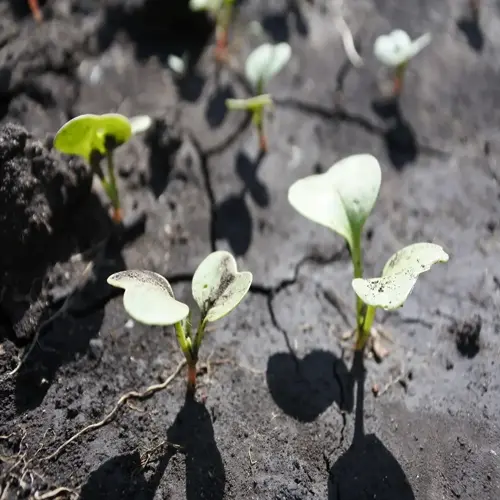
Germinating seeds need steady moisture for 4-6 weeks after you sow them. The tiny root that emerges first cannot survive if the soil dries out. This root must reach deeper soil layers where moisture stays more stable. Once roots grow 2-3 inches deep, the plant can tap into water that surface drying does not affect. This is when you can start easing off your watering schedule.
The way you water matters as much as how often you do it. A strong spray from a garden hose will wash seeds away from where you planted them. Seeds can end up in piles or washed right out of your planting bed. Use a gentle mist setting or a watering wand with a fine spray head. Let water soak in slow and even across the whole area without disturbing the soil surface.
Most wildflower water requirements drop way down after the first growing season. Native species evolved to handle whatever rain your region gets on its own. Deep roots pull water from 2-3 feet down where moisture lingers through dry spells. You might water during extreme drought if plants look wilted and stressed. But for most of the year, established meadows do fine without help from you.
Watch for signs that tell you whether you are watering too much or too little. Seedlings that turn yellow and fall over often have root rot from soggy soil. Seeds that never sprout in certain spots might have dried out too fast. Patchy germination with some areas thick and some bare usually points to uneven watering. Adjust your approach based on what you see happening in your meadow.
Transition away from active watering once your plants hit the right size. Wait until seedlings grow 4-6 inches tall and have several sets of true leaves. Then cut your watering back to once or twice per week. Keep reducing over the next month until you stop altogether. This trains roots to grow deep searching for water instead of staying near the surface.
Time your planting to work with natural rainfall patterns in your area. Plant before your rainy season starts and nature handles most of the watering work for you. Fall planting in mild climates catches winter rains at just the right time. Spring planting in northern zones lines up with snowmelt and spring showers. Match your timing to what the sky will provide and you save yourself a lot of work with the hose.
Read the full article: When to Plant Wildflowers: Ultimate Guide