
Yes, proper erosion control plants soil preparation makes a big difference in how well your plants survive and grow. Some prep work before planting helps your plants root faster and hold soil sooner. The right amount of work depends on how poor your existing soil is and how steep your slope sits.
In my experience prepping slopes, the hardest part is working on an angle without making the erosion worse. I learned to start at the bottom and work uphill so my feet did not kick loose soil down onto fresh plantings. Wearing boots with good grip and taking my time saved me from sliding down more than once.
When I first started, I made the mistake of over-tilling a steep bank before planting. The loose soil washed away in the first rain and took my new plants with it. Now I disturb only the small areas where each plant goes and leave the rest of the slope alone.
Oklahoma State research shows what works best to prepare soil erosion planting sites. Apply 4-6 inches of topsoil if your existing soil cannot support plant growth at all. Use about two bales of straw mulch per 1,000 square feet to protect the surface while your plants get started.
The topsoil erosion control approach gives your plants a good growing medium to root into fast. Poor subsoil lacks the nutrients and structure that plants need to thrive in their first year. Add topsoil when construction has stripped away the original layer. Past erosion can do the same thing to your property over time.
Testing your soil pH before planting tells you if you need to add lime or sulfur to fix the acidity level. Most erosion control plants grow best in soil with a pH between 6.0 and 7.0 on the scale. Your local extension office can test a soil sample for just a few dollars and tell you what to add.
Soil amendment slopes with compost or other organic matter helps poor clay or sandy soils hold water better. Mix 2-3 inches of compost into the top layer where you will plant. This gives roots something to grab while adding nutrients that feed your plants through the first year.
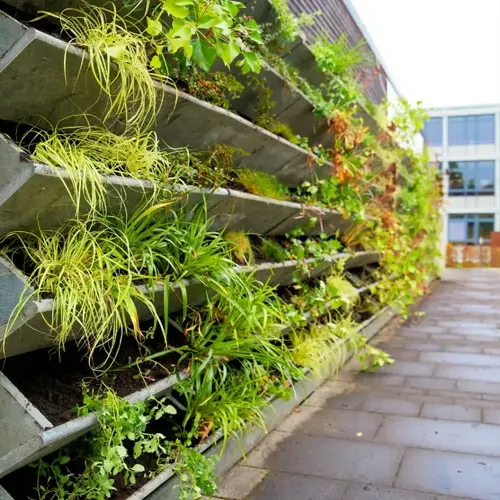
On steep grades, create small terraces or planting pockets instead of trying to plant on the slope face. Cut into the hillside to make a flat shelf about 8-12 inches wide for each plant. This catches water and keeps your plants from washing out before their roots can take hold.
Watch out for over-preparing your soil though. Too much amendment can keep roots near the surface instead of pushing deep where they need to go. Plants in rich amended soil may look great above ground but lack the deep anchoring roots that stop erosion. Match your prep level to what your soil needs without going overboard.
The goal is to give your plants enough help to get started without making them lazy. Roots grow deeper when they must search for water and nutrients below the surface. A little struggle makes stronger plants that hold your soil better in the long run.
Read the full article: 10 Best Erosion Control Plants for Your Landscape