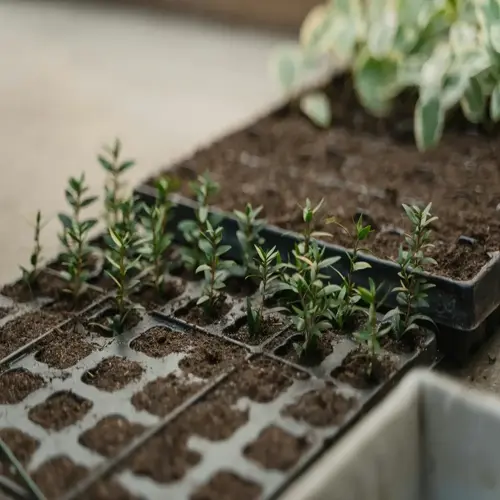

You should skip trying to reuse microgreen soil for growing more microgreens. It feels wasteful to toss it after one use. But the dense root mat left behind causes more problems than the savings are worth. Most growers who tried it came back to fresh media after bad results.
I tested microgreen soil reuse during my first year to see what would happen. Fresh soil trays sprouted at about 90% and grew strong plants. Used soil from an old radish crop hit only 60% sprouting. The stems came up weaker. They took 3 extra days to reach harvest size. The soil savings did not make up for the poor crops.
Microgreens pull nutrients from soil fast during their short growth burst. The root mass left behind fights new seeds for what little remains. Old roots can also carry fungal spores and bacteria. These attack fresh seedlings and cause damping off disease. Reused media leads to this problem far more often than sterile fresh soil does.
The case against microgreen soil reuse adds up fast when you think it through. Your seed cost alone often beats the price of fresh soil per tray. Losing a crop to disease or weak sprouting wastes both seeds and your time. Starting fresh each round protects that investment. You get steady results tray after tray.
Composting microgreen roots gives your used soil a second life. The root mat breaks down in 4-8 weeks in an active compost pile. It adds nitrogen and organic matter to the mix. This approach recycles nutrients back to your garden. You avoid landfill waste without the risks of direct reuse for more microgreens.
Some growers refresh old soil and use it for other plants. Mix used microgreen soil with fresh compost at a 50/50 ratio. Add some balanced fertilizer to boost nutrients. This blend works fine for garden transplants or houseplants. Bigger plants handle less than perfect soil better than tiny microgreen seedlings can.
Soilless growing media sidesteps the whole reuse question. Coconut coir and hemp mats give you clean sterile surfaces for each crop. They cost about the same as potting soil per tray. Spent mats break down even faster in compost than soil does. No worries about germs carrying over between batches.
Buy growing media in bulk to keep costs low. A coconut coir brick expands to fill 15-20 trays and costs under $10. Potting soil in cubic foot bags runs about $5-8 and fills 30+ standard trays. At these bulk prices, fresh media costs so little that reuse offers almost no real savings.
Set up a basic compost bin to close the loop on your growing routine. Even a small bin handles output from several trays per week. Finished compost comes back to boost your outdoor gardens. Your indoor trays stay clean and productive with fresh sterile media each round.
Read the full article: How to Grow Microgreens Indoors at Home