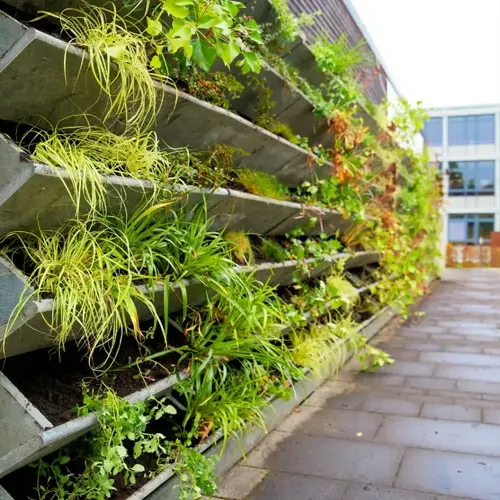

Yes, ornamental plants erosion control works just as well as plain ground covers on your property. You also get a beautiful landscape to enjoy while your plants do the hard work. Many flowering plants have the same spreading roots and dense growth that stop soil loss. You get both a pretty yard and a stable slope at the same time.
In my experience creating a slope garden, I turned an ugly eroding bank into the best part of my yard. I chose plants that looked great together while also holding the soil tight below the surface. Neighbors who used to see an eyesore now stop to ask what I planted there. The slope that caused me problems became a source of pride.
Many ornamental plants work well for erosion because they share key traits with erosion control species. Spreading root systems grab soil just like plain ground covers do below the surface. Dense foliage covers the ground and breaks the impact of rain. This stops droplets from hitting your bare soil.
Beautiful erosion control plants come in many forms you can mix for year-round interest on your slope. Creeping Phlox carpets slopes with pink, purple, or white flowers each spring. Its mat-forming roots hold soil tight while the blooms put on a show every year without any help from you.
Daylilies bloom in waves all summer long and form thick clumps that grip the ground with dense roots. Their strap-like leaves catch water and slow runoff across your slope between flower shows. You can find them in every color from pale yellow to deep red for your garden design.
Coneflower attracts butterflies and bees while its deep roots anchor soil on your property. The tall stems and big flowers add height to your planting while providing food for pollinators all season. Flowering plants slopes like these give you beauty above and function below at the same time.
Decorative ground cover erosion plants fill gaps between your showier flowers and shrubs. Creeping Jenny spreads fast and covers bare ground with bright green or gold leaves. Sedum carpets slopes with succulent foliage that needs almost no water once established in your yard.
When I first designed my slope, I layered plants by height for both looks and function. Low ground covers filled the front edge where I see the planting from below. Daylilies and Coneflowers rose behind them in the middle zone. Taller shrubs anchored the back and top of my slope.
This layered approach protects your soil at multiple levels from the surface down. Low plants catch rain first and slow water as it starts to move. Taller plants behind them absorb more energy before water can pick up speed and erode your slope.
Pick plants that bloom at different times so you have color from spring through fall on your property. Mix foliage textures and colors for interest even when nothing flowers on your slope. Your erosion control planting can look as good as any garden bed while doing important work holding your soil in place.
Read the full article: 10 Best Erosion Control Plants for Your Landscape