
Yes, your landscaping water conservation choices have a huge impact on how much water your home uses each year. The EPA reports that 30-70% of household water goes to outdoor use alone. That makes your yard the single biggest place to cut water waste around your home.
I tested this myself when I swapped out half my lawn for drought-resistant landscaping two summers ago. My July water bill dropped from $180 to under $90 that first year. The change took some work upfront but paid off fast when the hot months hit hard.
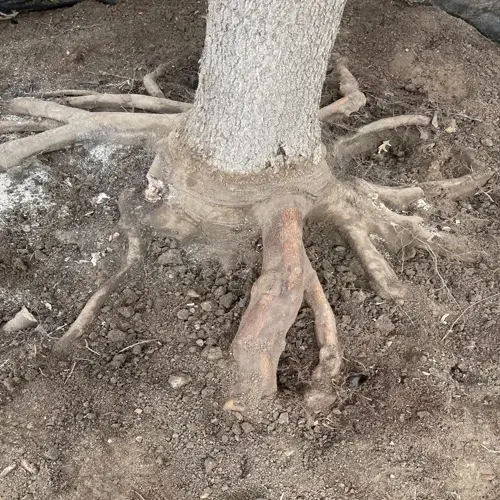
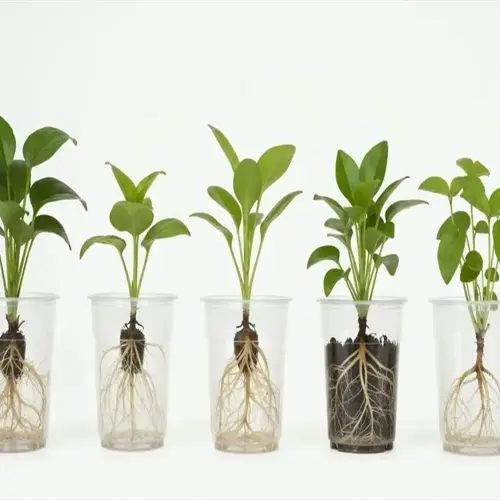
Native plants have root systems that reach deep into the soil to find water on their own. These roots grew over thousands of years to match local rainfall patterns. You water them far less often than grass since they tap moisture that sits feet below the surface of your yard.
Xeriscaping water savings can hit 50-75% versus a grass lawn. This approach groups plants by their water needs so you never waste water on species that do not need it. A well-planned xeriscape looks great and survives droughts with ease.
Assess Your Current Water Use
- Baseline check: Track your water bills for three summer months to see how much outdoor watering adds to your costs.
- Spot the hogs: Walk your yard and note which plants need daily water versus which survive on rain alone.
- Soil test: Check if your soil drains fast or holds water, since this affects which plants will thrive in your space.
Pick Drought-Tolerant Species
- Local nurseries: Ask staff for native species that match your area and soil type for the best chance of success.
- Root depth: Pick plants with deep roots that pull moisture from lower soil layers after they get set up and growing.
- Bloom variety: Mix flowering times so you get color all year without needing thirsty annuals that need constant care.
Create Hydrozones in Your Yard
- Group by need: Put high-water plants together and low-water plants in their own zone to avoid waste.
- Drip lines: Install drip systems for each zone so you can water thirsty spots more without flooding the rest.
- Turf areas: Keep lawn grass to high-use spots like play areas and convert the rest to low-water ground covers.
Start your switch by picking one small section of lawn to convert this year. Dig up the grass and add mulch to hold moisture in the soil. Plant three to five native shrubs or perennials and let them settle in before you expand to other areas.
Mulch works as a secret weapon in any water-smart yard. A 2-3 inch layer of wood chips or bark slows moisture loss by blocking sun and wind. You water less often and your plants stay healthier through hot spells that would kill a lawn.
When I first made the switch, my neighbor asked about native plants water efficiency methods. I showed her how my new beds needed water just once a week while her lawn needed daily runs. She started her own project the next spring after seeing my results up close.
Your new landscape might look sparse at first, but give it two growing seasons to fill in. Native plants spend their first year growing roots before they push out leaves and blooms. The patience pays off when they come back stronger each spring with zero extra care needed.
Many water companies offer rebates for yard projects like this. Cities may pay $1 to $3 per square foot if you swap grass for approved low-water options. Good landscaping water conservation work can pay for itself with these rebate programs in your area.
The best time to start is fall when new plants have cool months to grow roots before summer heat arrives. You give them the best shot at getting set up without stress from drought. Spring works too if you stay on top of watering until they take hold in your soil.
Read the full article: 10 Practical Water Conservation Methods