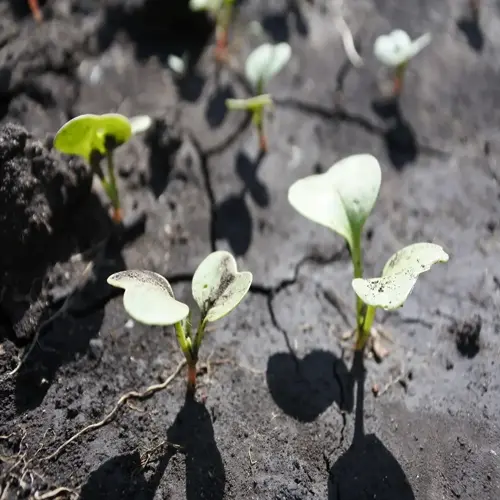

Yes, you can start seeds in egg cartons, but they come with real limits that hurt your seedling success rates. The cells are too small for most plants and the cardboard pulls water away from your soil. These problems mean egg cartons work for some seeds but fail with others you might want to grow.
I tested egg carton seed starting against proper cell trays with the same tomato seeds last spring season. The egg carton plants looked weak and yellow within two weeks of sprouting in my setup. Roots had nowhere to grow and started circling the tiny cells way too soon for healthy growth to continue.
My cell tray seedlings grew twice as fast with much greener leaves during that same test period at home. They had room for roots to spread out and find water when they needed it most in those first weeks. The difference was clear to see by day ten after sprouting from the soil surface in each container type I used.
Egg cartons cause trouble because the cardboard wicks moisture away from your seeds and soil mix inside each cell. UMD Extension says seedlings need soil that feels like a wrung-out sponge for best growth results. Your egg carton dries out fast and swings between too wet and too dry all day long which stresses your tiny plants out.
The small cell size means roots get cramped before your seedlings reach transplant size in most cases at home. Tomatoes and peppers outgrow egg cartons within one week of sprouting from the soil surface. You either transplant too early or watch your plants suffer from root binding in those tiny cardboard cells each time.
Other DIY seed containers work much better if you want to save money on your seed starting supplies this year. Yogurt cups hold more soil and give roots room to grow for several weeks before transplant day comes around for your seedlings. Newspaper pots break down in the garden so you never disturb roots when you plant them in your beds outside.
Use egg cartons only for fast seeds you will move to bigger pots within two weeks of sprouting at home. Lettuce and some herbs work fine in these small cells for a short time before transplanting outside. Stick with proper trays or larger DIY seed containers for tomatoes, peppers, and anything that needs more than two weeks to reach transplant size.
Read the full article: When to Start Seeds Indoors: Ultimate Guide