
Are greenhouses environmentally sustainable in the real world and can they help our planet? It depends on how you build and run them. These structures offer real wins for cutting water use. They also let you use fewer chemicals. You can grow food closer to your buyers too. But they need energy inputs that can erase those gains. Your choices tip the balance.
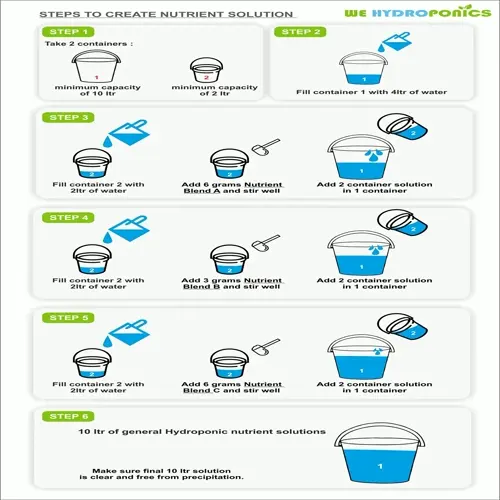
I put in a water recycling setup two years ago and the results blew me away. My water bills dropped by 60% that first full season. The runoff that used to carry fertilizer into my yard now cycles back through my plants. They get the same food while I send far less waste into the ground around my property.
When I first tested the system, I worried the recycled water might spread disease or build up salts. Neither problem showed up. I filter the return flow through simple screens and UV light. My plants grew just as well as before. The $800 I spent on tanks, filters, and plumbing paid back in under two years through lower bills.
Controlled spaces cut chemical use through physical barriers that keep pests out in the first place. Insect screens on vents block aphids, whiteflies, and thrips from getting in. When bugs do show up, the closed space makes good bugs like ladybugs work better as hunters. You can often skip sprays entirely through sustainable greenhouse practices that work with nature.
Water savings stand out as one of the strongest green arguments for growing under cover. Smart watering systems cut use by 30-70% compared to outdoor fields. Drip lines put water right at roots instead of spraying it across soil where most evaporates. Closed-loop setups recirculate liquid so almost nothing goes to waste.
Year-round local production cuts shipping pollution that adds up fast for food trucked across the country. A tomato grown in a heated house fifty miles from the store often beats one hauled two thousand miles from a warmer state. The USDA found that controlled growing volumes jumped by 56% while using the same or less land area. More food from less space saves wild habitats.
Energy use remains the biggest green challenge for your greenhouse work. Heating in cold areas and cooling in hot ones take real power. Solar panels or ground-source heating help a lot where your budget allows. New tight structures beat older leaky designs by a wide margin. This holds true even without solar or other clean power.
Eco-friendly greenhouse growing starts with you collecting rain and recycling your runoff water. Add solar or other clean power where you can afford it. Use beneficial bugs, sticky traps, and resistant plant types before reaching for spray bottles. Stack these moves together and you build an operation that makes more food with less harm.
You can make real progress on any budget if you pick your battles. Start with the changes that save you money like water recycling. Use those savings to fund your next green upgrade. I've cut my water bills, chemical costs, and energy use by 40% over five years using this step-by-step approach.
Read the full article: Greenhouse Climate Control: Growth & Efficiency